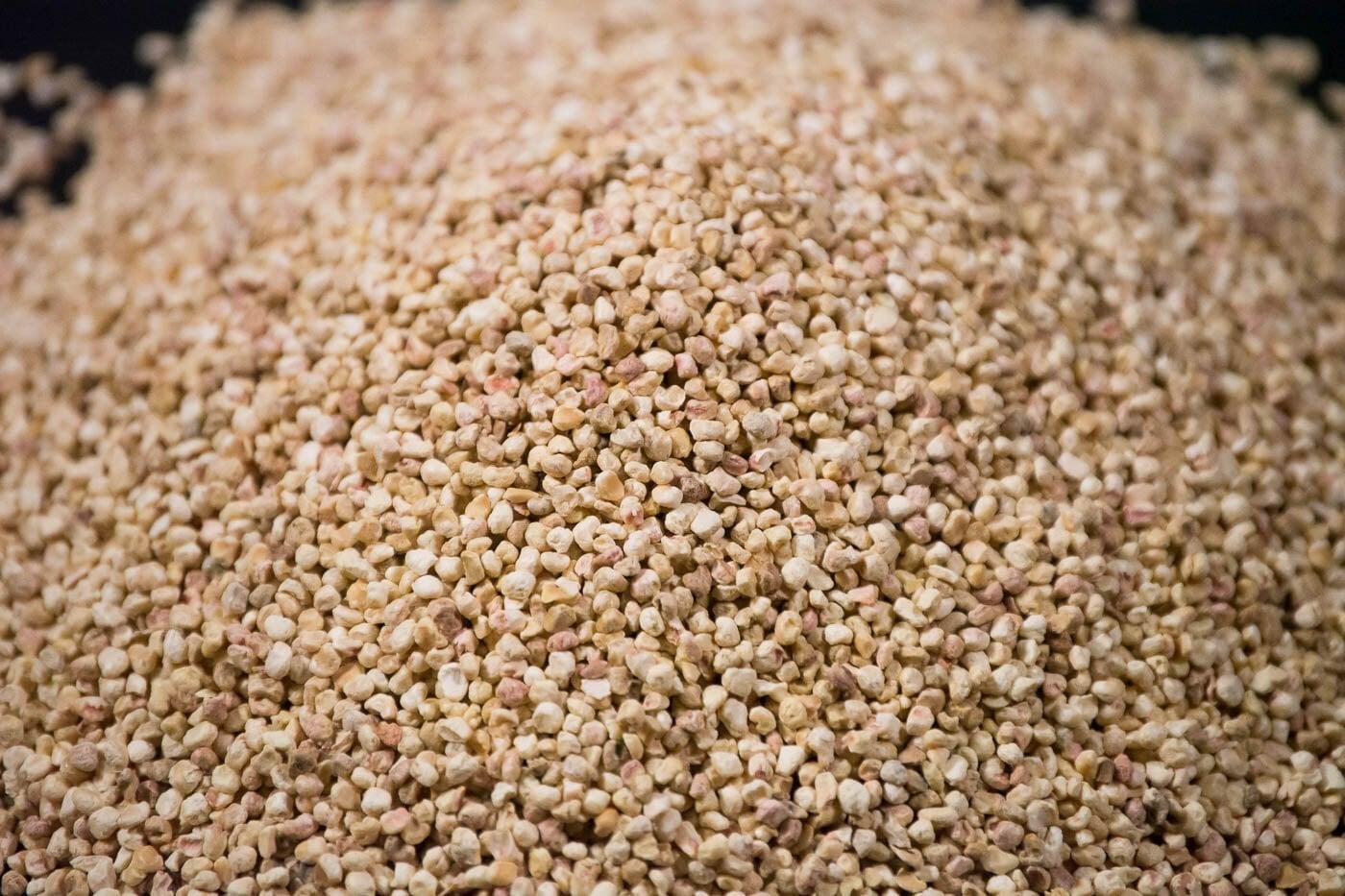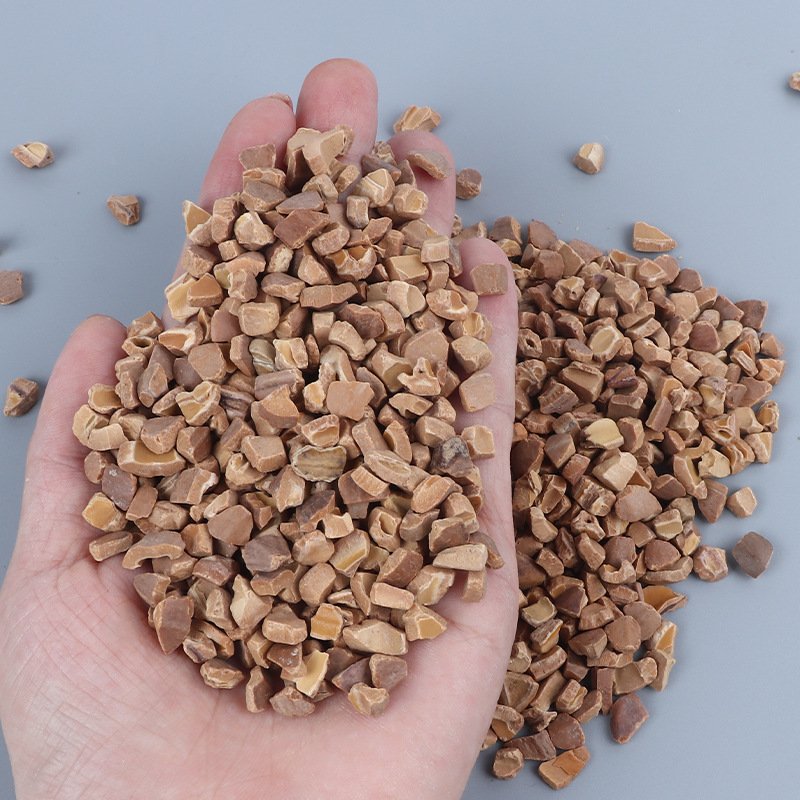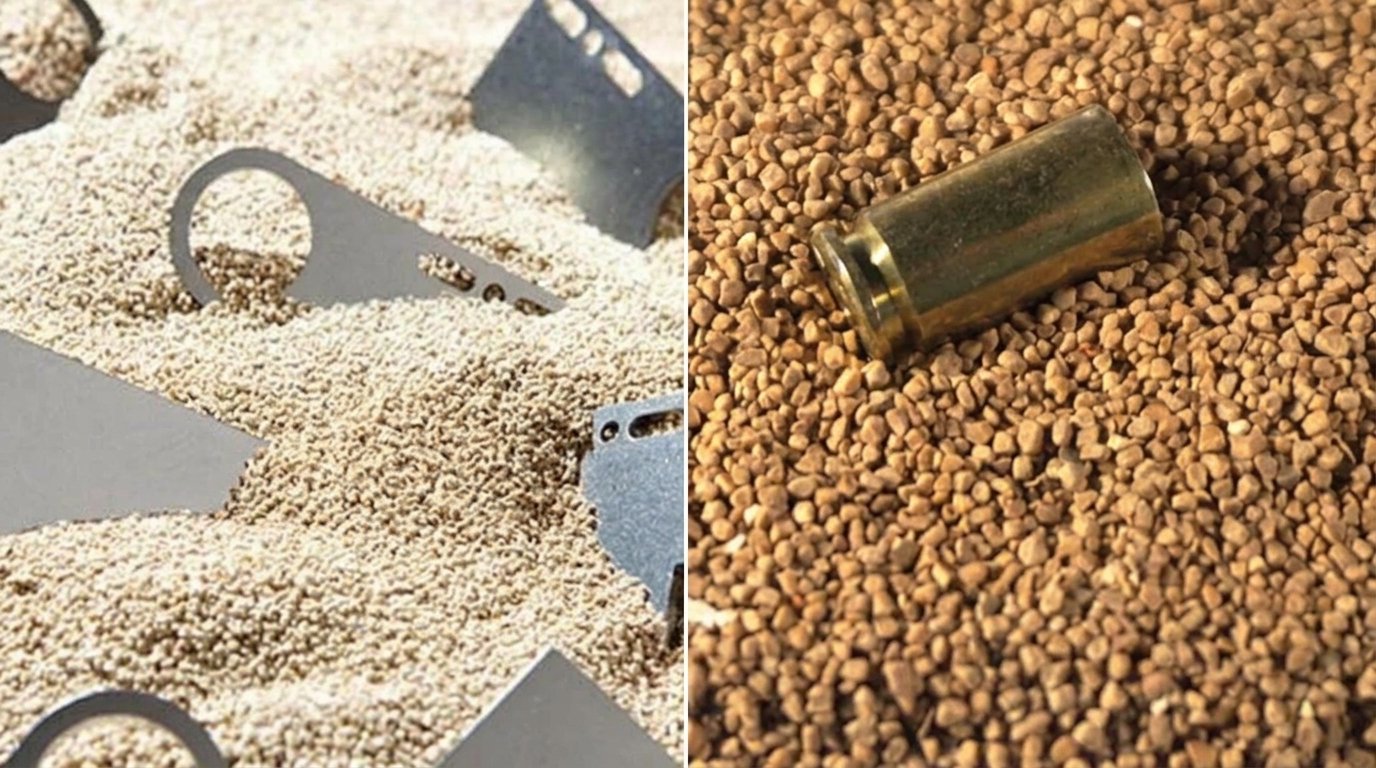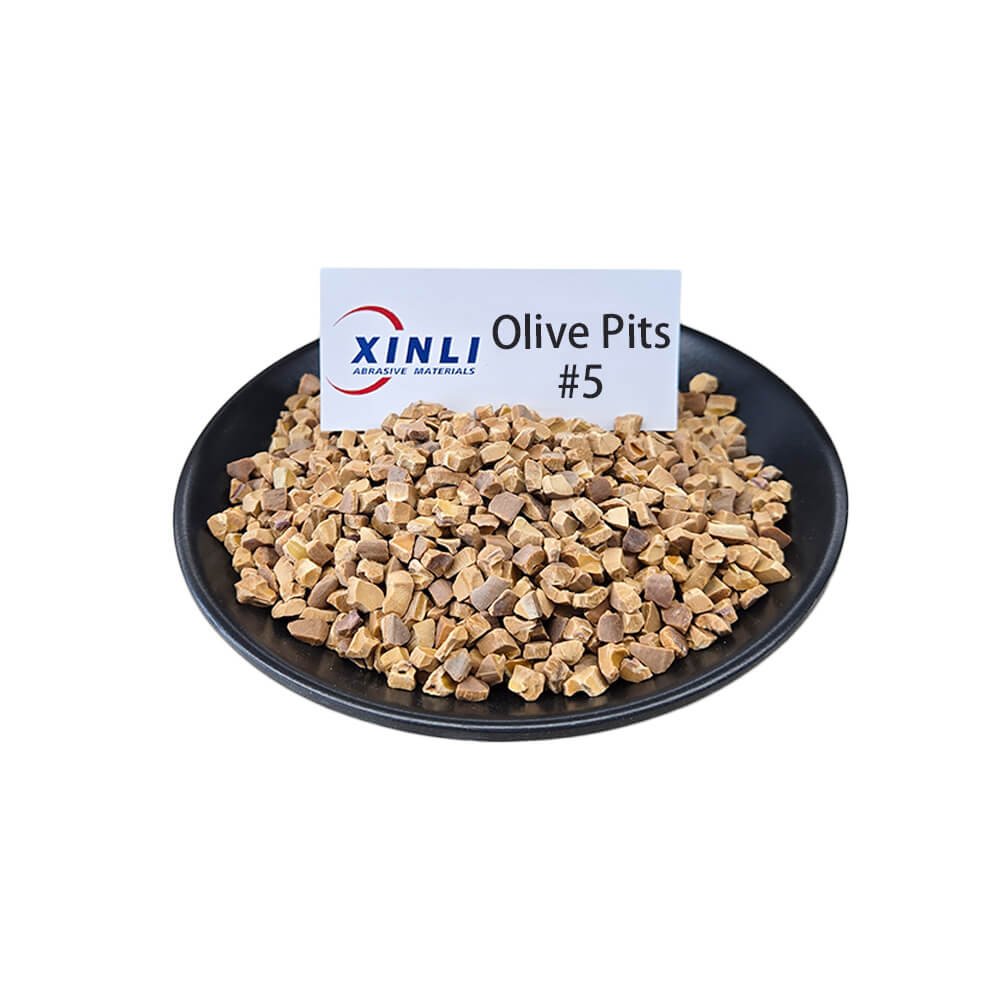
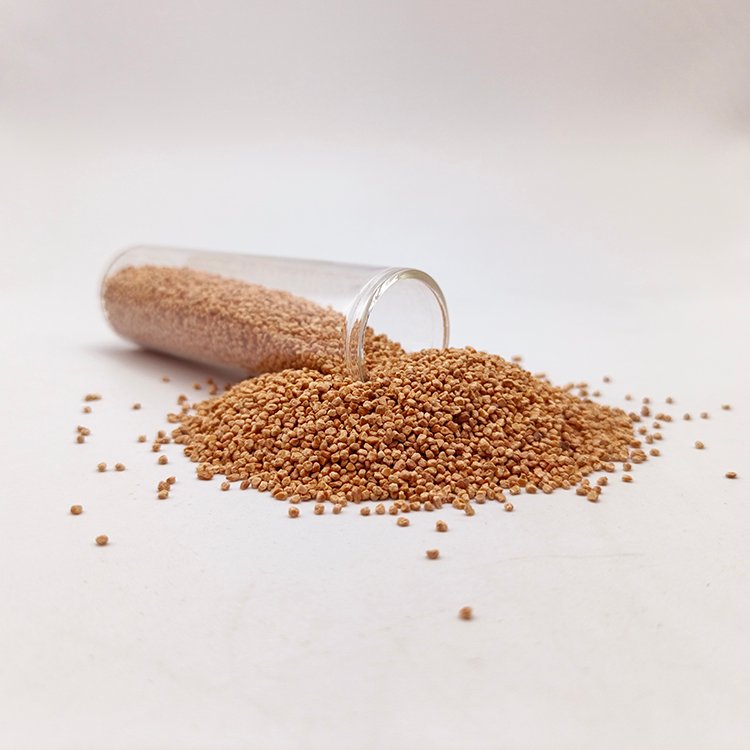
Industrial surface cleaning often requires the removal of oil, grease, carbon deposits, dirt, and other contaminants without unnecessarily damaging the underlying material. For applications involving relatively soft metals, composite materials, plastics, or other sensitive substrates, walnut shell blasting media can be a suitable alternative to more aggressive mineral abrasives.
Made from processed walnut shells, walnut shell abrasive is a plant-based blasting medium used in selected industrial cleaning and surface preparation processes. Its relatively gentle abrasive action can help remove surface contamination while reducing the risk of excessive material removal when the media and operating parameters are properly selected.
Where Is Walnut Shell Blasting Used?
1. Cleaning Aluminum and Non-Ferrous Metal Components
Aluminum alloy components may accumulate oil, grease, processing residues, and surface deposits during manufacturing or maintenance. Aggressive blasting media can alter the surface profile or create unwanted marks if the process is not carefully controlled.
Walnut shell blasting can be evaluated for removing suitable contaminants from selected aluminum components, housings, castings, and other non-ferrous metal parts. The objective is to clean the surface while preserving important dimensional and appearance characteristics.
The appropriate media grade depends on the type and thickness of the contamination, the component geometry, and the required finish. Trial blasting is recommended for parts with tight tolerances or decorative surfaces.
2. Removing Carbon Deposits and Grease
Carbon deposits and oily residues can accumulate on selected industrial components, molds, and engine-related parts. In maintenance operations, the cleaning method must remove the unwanted deposit without causing unnecessary wear to the component.
Walnut shell blasting may be considered for certain carbon-removal and residue-cleaning tasks where a softer blasting medium is preferred. Its suitability depends on deposit hardness, thickness, surface accessibility, and the sensitivity of the underlying substrate.
For thick, strongly bonded, or baked-on deposits, preliminary testing is important to determine whether walnut shell media can achieve the required cleaning level within an acceptable cycle time.
3. Cleaning Molds and Complex Components
Molds and precision components can contain residue in corners, recesses, and other difficult-to-reach areas. Manual cleaning may be time-consuming, while overly aggressive methods can affect critical surfaces.
With suitable equipment and operating conditions, walnut shell blasting can help clean accessible surfaces and selected complex geometries. Before processing precision molds, manufacturers should identify any polished, coated, or dimensionally critical areas that require additional protection.
4. Cleaning Plastics and Composite Materials
Plastic and composite components may be vulnerable to scratching, surface deformation, or damage from harder abrasives. Walnut shell media can be evaluated for selected cleaning and finishing applications where preservation of the base material is a priority.
The correct media size, blasting pressure, nozzle distance, and exposure time should be established through testing. Not every plastic or composite material is suitable for blasting, particularly where fibers, coatings, or thin surface layers may be exposed.
How to Select Walnut Shell Blasting Media
The performance of walnut shell blasting depends on several factors:
- Particle size: Coarser grades may provide more impact per particle, while finer grades may be appropriate for smaller features or more controlled cleaning.
- Substrate material: Aluminum, plastic, composite, wood, and coated surfaces respond differently to blasting.
- Contaminant type: Loose dirt, oil films, carbon deposits, and cured coatings require different cleaning approaches.
- Equipment and pressure: Air pressure, nozzle design, media flow, and working distance affect cleaning efficiency and surface condition.
- Media condition: Moisture, contamination, and particle breakdown can influence feeding, dust generation, and process consistency.
A controlled trial should confirm both the cleaning result and the condition of the substrate after treatment.
Why Work with a Plant-Based Abrasive Supplier?
For industrial buyers, consistent particle grading and reliable product specifications are important for maintaining repeatable cleaning results. The media should match the equipment and application rather than being selected by price or particle size alone.
XINLI ABRASIVES supplies plant-based abrasive materials for application-specific evaluation. Buyers can share their workpiece material, contamination type, equipment, and target cleaning result to discuss a suitable walnut shell grade.
Request Product Information
For a more accurate recommendation, please provide:
- Workpiece material and dimensions
- Type of contamination or deposit
- Blasting equipment and operating conditions
- Required particle size or current media grade
- Estimated monthly or annual consumption
Contact XINLI ABRASIVES to request product specifications, discuss customized particle sizes, and ask about sample testing for your industrial surface-cleaning application.