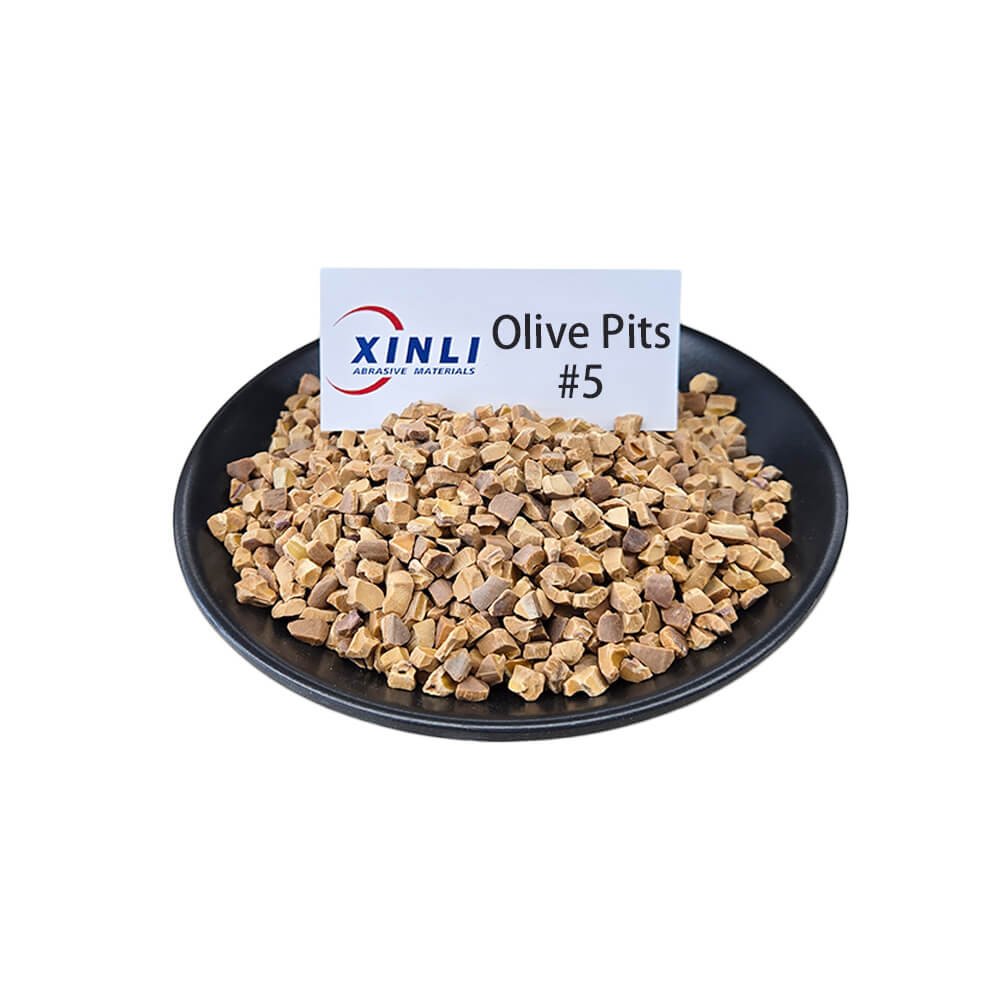
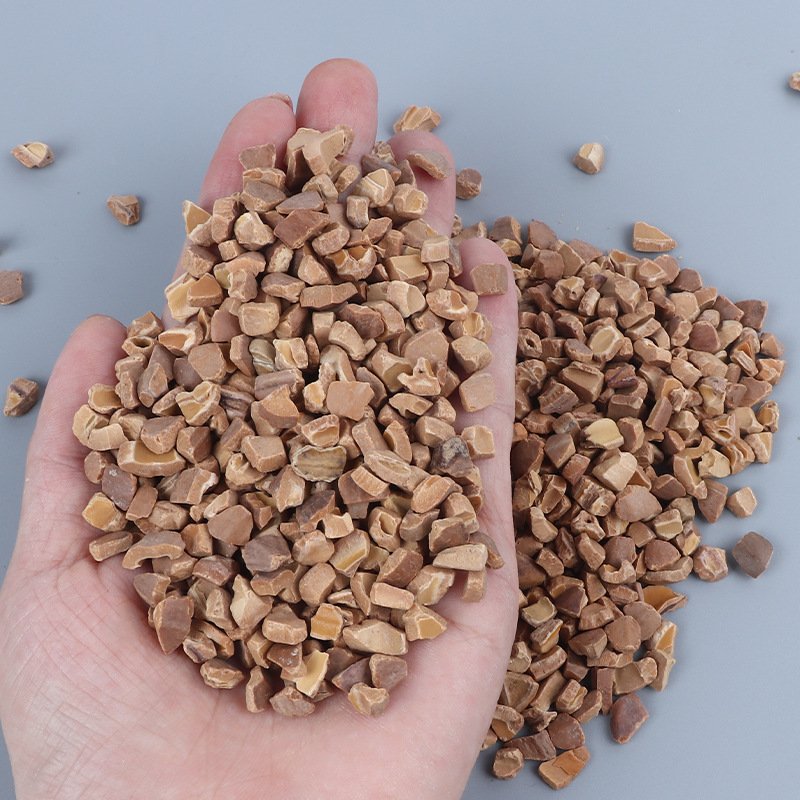
In industrial surface preparation, high-hardness mineral abrasives like silicon carbide or aluminum oxide can be overly aggressive—often changing component dimensional tolerances or gouging delicate substrates. When the goal is to remove stubborn carbon deposits, old coatings, or flash burs without damaging the underlying material, plant (organic) abrasive blasting is the optimal choice.
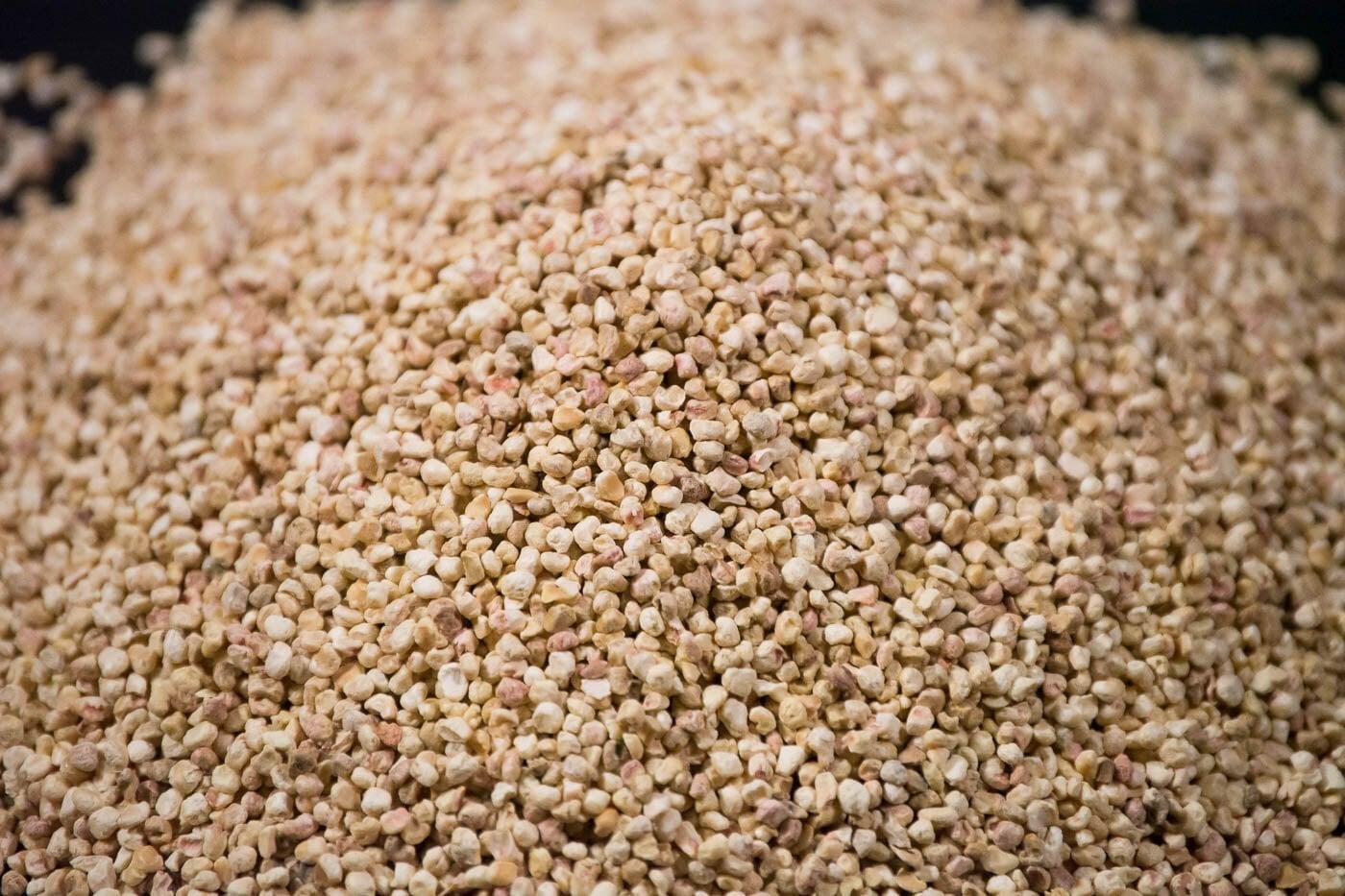
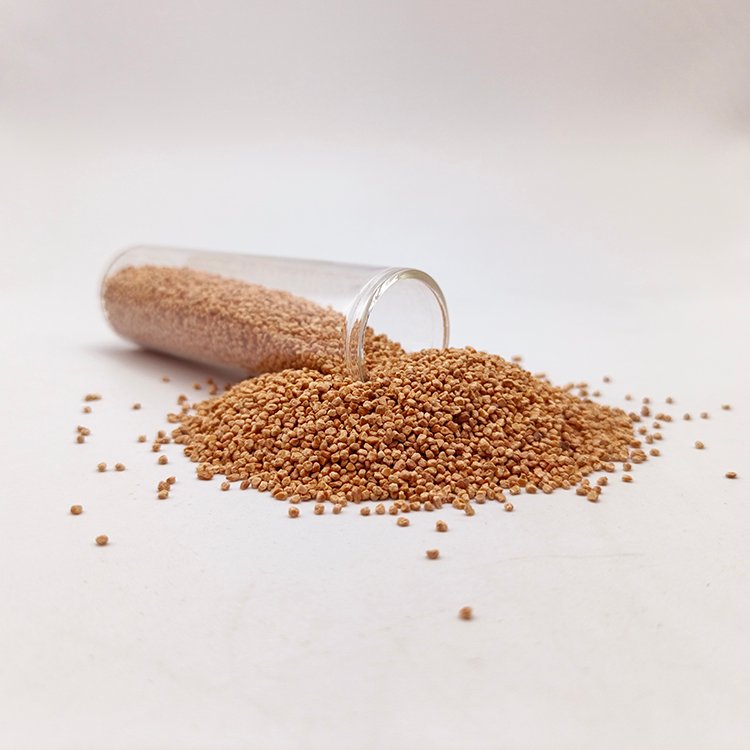
Derived from renewable agricultural byproducts, organic media like walnut shell grit and corn cob media offer a unique balance of mild physical impact, natural elasticity, and bio-degradability.
Whether you are performing intake valve carbon cleaning on GDI engines or stripping paint from historic log homes, understanding how to match organic media specs with blasting parameters is key to achieving cost-effective, zero-damage results.
Part 1: Why Choose Organic Plant Abrasives?
Traditional metal or mineral abrasives rely on heavy kinetic energy and sharp angular edges to cut into surfaces. Plant-based abrasives function on a different physical principle:
- Substrate Protection (Zero Material Removal): With a Mohs hardness ranging from 3.0 to 4.5, plant media cleans surface contaminants without eroding metals, aluminum alloys, glass, or solid wood.
- OSHA & Eco-Friendly Compliance: Plant abrasives are 100% biodegradable, non-toxic, and free of crystalline silica, eliminating the health risks associated with silicosis.
- Anti-Static & Low Friction Heat: Soft media absorbs impact energy, minimizing heat buildup on thin metal sheets or thermoset plastics.
Part 2: Core Agricultural Media Types & Specifications
1. Walnut Shell Blasting Media (Walnut Shell Grit)
Walnut shell is the hardest organic abrasive (3.5 – 4.0Mohs). Its angular yet semi-durable particles allow for fast stripping speed while maintaining tight geometric tolerances.
- Best For: Heavy carbon cleaning, plastic mold deflashing, aluminum manifold cleaning, paint stripping.
- Typical Mesh Sizes:
12/20 Mesh(1.0 – 1.7mm): Heavy-duty rust/paint stripping on sturdy metal.18/40 Mesh(0.4 – 1.0mm): Standard grade for engine intake valve carbon removal.30/100 Mesh(0.15 – 0.6mm): Fine deburring for delicate electronic housings.
2. Corn Cob Grit (Corn Cob Media)
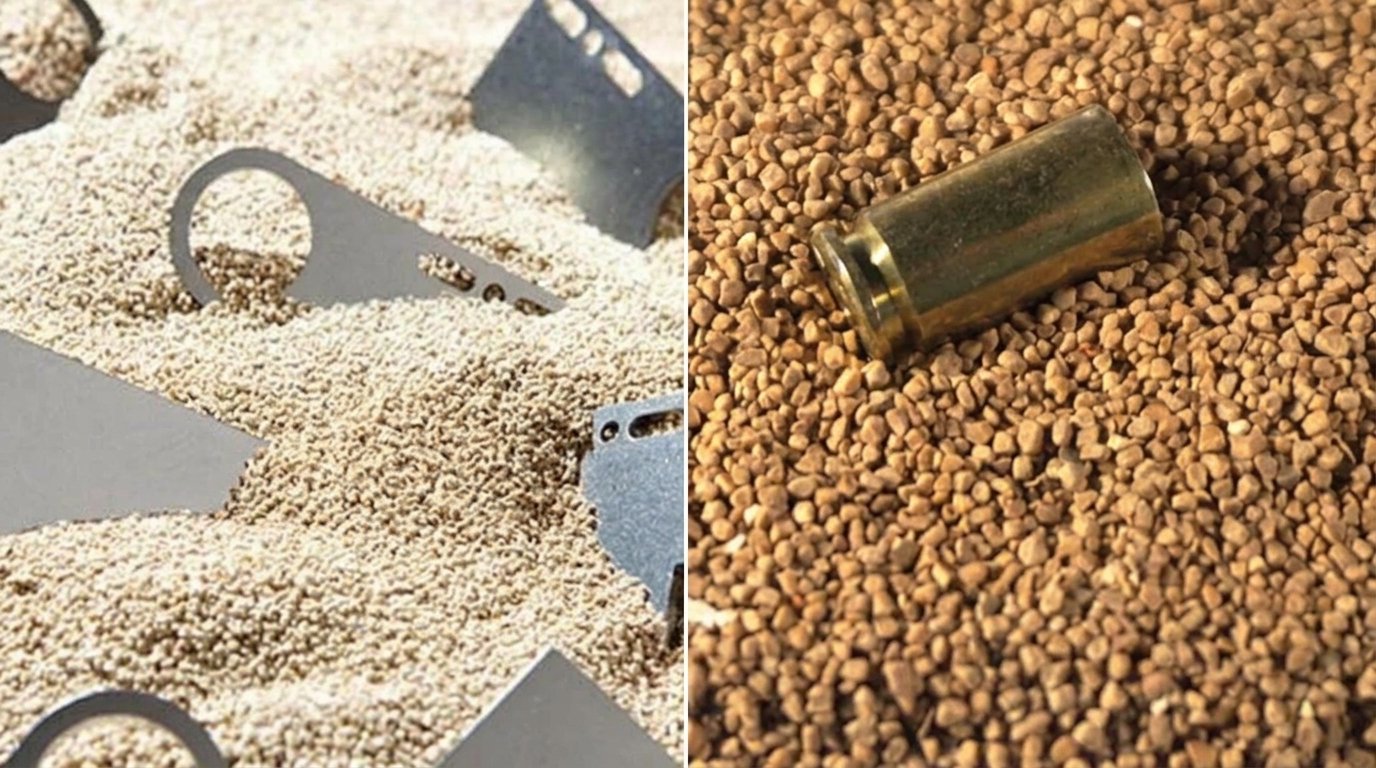
Corn cob media is lighter and more elastic (4.5Mohs equivalent resilience), featuring high natural absorbency. It excels in both dry blasting and vibratory tumbling.
- Best For: Wood log home restoration, brass shell tumbling, oil absorption, thin-gauge sheet metal paint removal.
- Typical Mesh Sizes:
10/14 Mesh(1.4 – 2.0mm): Log home paint and stain stripping.14/20 Mesh(0.8 – 1.4mm): Metal parts drying and oil absorption in vibratory tumblers.
Part 3: High-Impact Application Scenarios
1. Engine Intake Valve Carbon Cleaning (GDI Engines)
Gasoline Direct Injection (GDI) engines accumulate severe carbon buildup on intake valves, restricting airflow and causing misfires.
- The Challenge: Scrape methods are slow, and hard abrasives entering the combustion chamber can ruin cylinder walls.
- The Solution: Blasting with 18/40 Mesh Walnut Shell Grit at 60–80 PSI strips carbon deposits clean within minutes. Any residual organic dust safely burns off during engine startup without scratching cylinder linings.
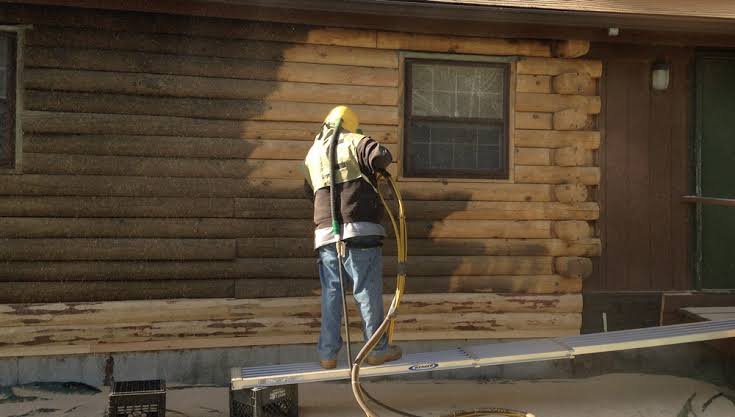
2. Log Home & Historic Wood Restoration
Restoring exterior log home finishes requires stripping UV-damaged wood fibers and old poly-coatings.
- The Challenge: Sandblasting gouges natural wood grain, leaving deep pits that require labor-intensive sanding.
- The Solution: Utilizing Corn Cob Media (10/14 Mesh) via pressure blasting at 40–60 PSI gently lifts weathered coatings while preserving the natural wood texture.
3. Thermoset Plastic & Rubber Mold Deflashing
Precision injection molds accumulate resin flash and parting line burs over continuous production runs.
- The Challenge: Steel tools scratch polished mold cavities, leading to defective molded parts.
- The Solution: Cryogenic or dry wheel blasting with fine Walnut Shell Grit (30/60 Mesh) clears burs from delicate parting lines without altering mold dimensions.
Technical Specification Matrix
| Feature / Spec | Walnut Shell Grit | Corn Cob Grit |
| Mohs Hardness | 3.5 – 4.0 | 4.5 (Resilient Elastic) |
| Bulk Density | Approx. 0.7 – 0.8 g/cm^3 | Approx. 0.4 – 0.5 g/cm^3 |
| Primary Mechanism | Impact shear / Mild cutting | Impact flexing / Absorbent wiping |
| Recyclability | High (4 – 6 passes) | Moderate (3 – 5 passes) |
| Main Target Substrate | Aluminum, Steel, Molds, Valves | Hardwoods, Brass, Thin Sheet Metal |
Frequently Asked Questions (FAQ)
Q1: Will walnut shell blasting damage anodized aluminum or brass?
A: No. When operated within recommended pressures (40–80 PSI), walnut shell media strips surface dirt and carbon without breaking through anodized coatings or dimensional tolerances.
Q2: How do I select the right air pressure for organic media?
A: Start low. For delicate wood or plastic deflashing, begin at 35–45 PSI. For heavy carbon removal on automotive intake valves, increase to 60–80 PSI.
Request Custom Mesh & Bulk Pricing
As a specialized supplier of industrial abrasives, we provide premium walnut shell grit and corn cob media screen-sized to your exact mesh requirements (12/20, 18/40, 30/100, etc.).
[Contact Our Technical Sales Team] to request Technical Data Sheets (TDS), MSDS documentation, or a free sample batch for your facility testing.