Paint and coating removal is an essential process in industrial maintenance, equipment refurbishment, automotive restoration, and surface preparation. However, removing an existing coating does not always mean removing material from the underlying substrate.
For many industrial applications, the challenge is to strip unwanted paint, protective coatings, and surface contaminants while preserving the original dimensions, texture, and structural integrity of the workpiece.
This is where Plant-Based Abrasive Blasting Media offers an alternative to conventional mineral and metallic abrasives.
Manufactured from processed agricultural materials, including walnut shells, corn cobs, and olive pits, plant-based blasting media provides relatively mild abrasive action for selected coating removal and surface cleaning operations.
Unlike aggressive abrasives designed for heavy material removal or deep surface profiling, organic blasting media is particularly useful when operators need controlled cleaning with reduced substrate abrasion.
In this guide, we explore how plant abrasive blasting works, how different organic media perform, and how industrial buyers can select the right material for paint and coating removal.
Part 1: Understanding Plant-Based Abrasive Blasting for Coating Removal
1. What Is Plant-Based Abrasive Blasting?
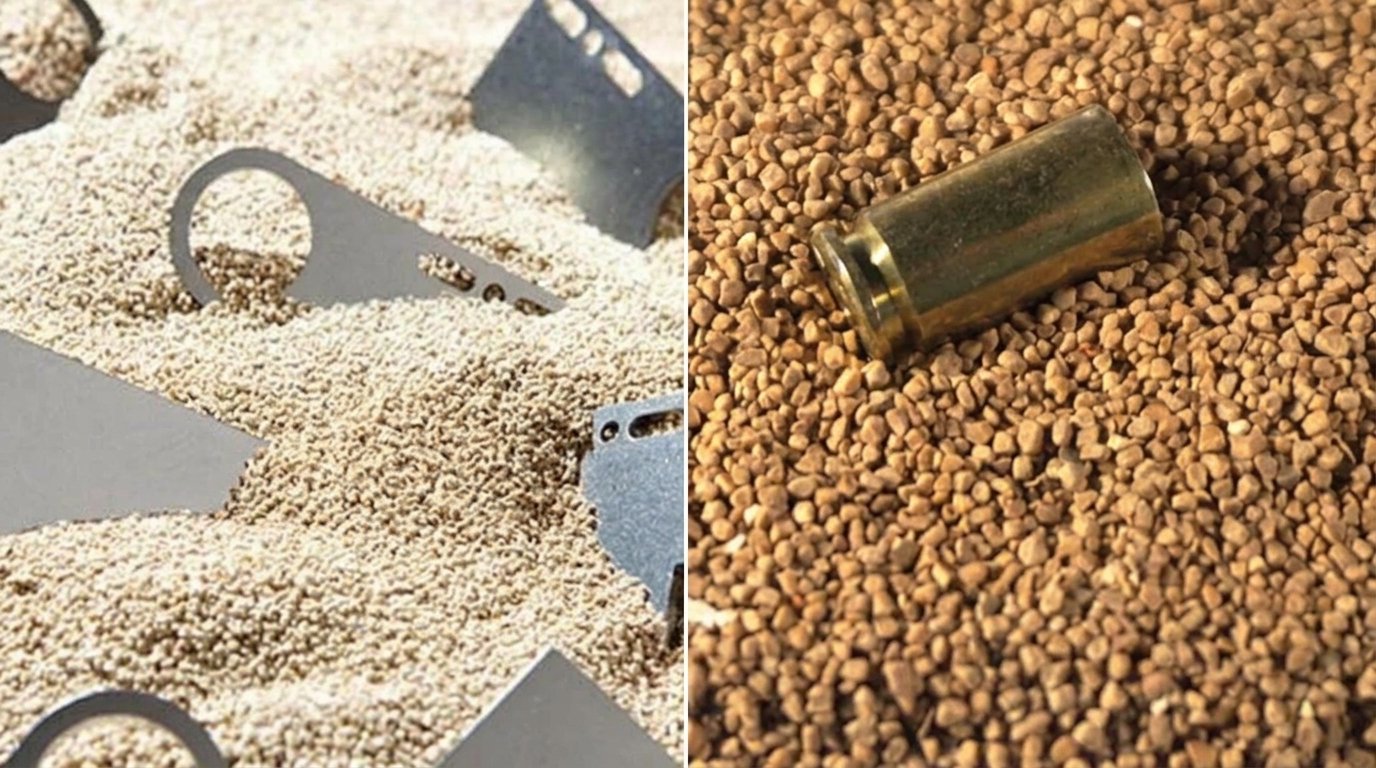
Plant-based abrasive blasting is a surface treatment process that uses processed natural materials as blasting media to remove coatings, dirt, residues, and other unwanted surface deposits.
The media is propelled through a blasting system using compressed air or other suitable equipment. When the particles impact a coated surface, their kinetic energy helps loosen and remove the coating layer.
Common plant-based blasting materials include:
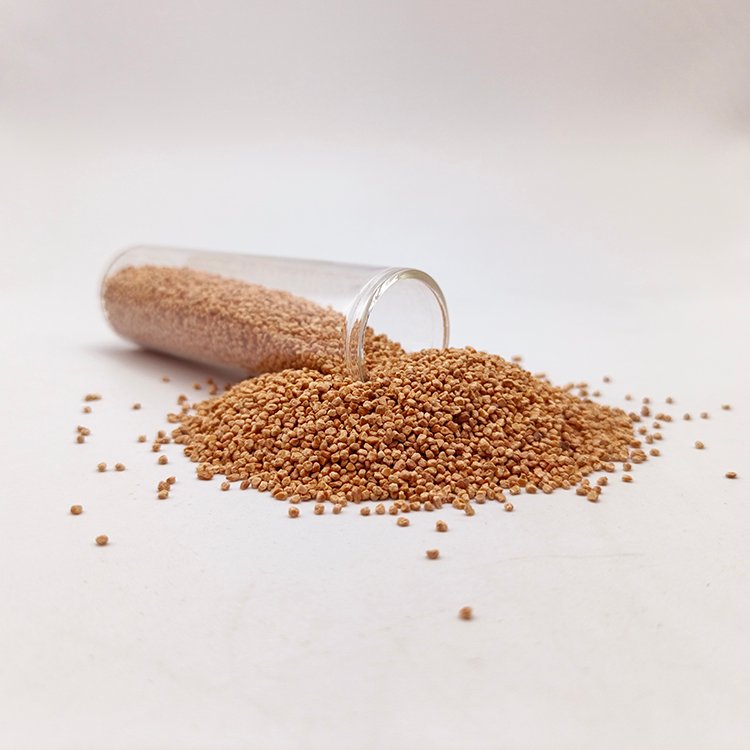
- Walnut Shell Blasting Media: A relatively durable organic abrasive used for paint stripping, coating removal, and cleaning applications where substrate preservation is important.
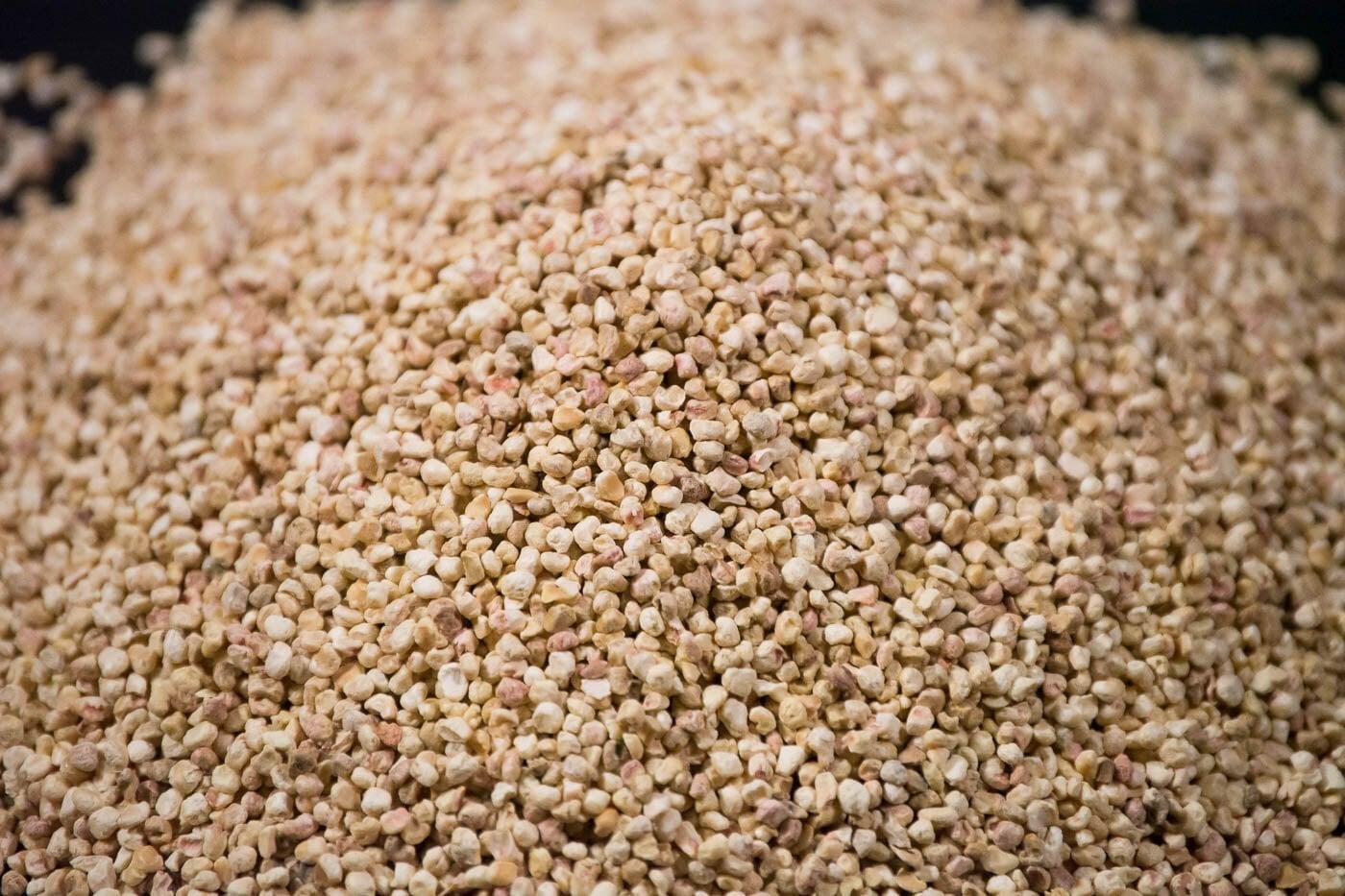
- Corn Cob Blasting Media: A lightweight, absorbent, and relatively soft abrasive suitable for delicate cleaning, light coating removal, and residue removal.
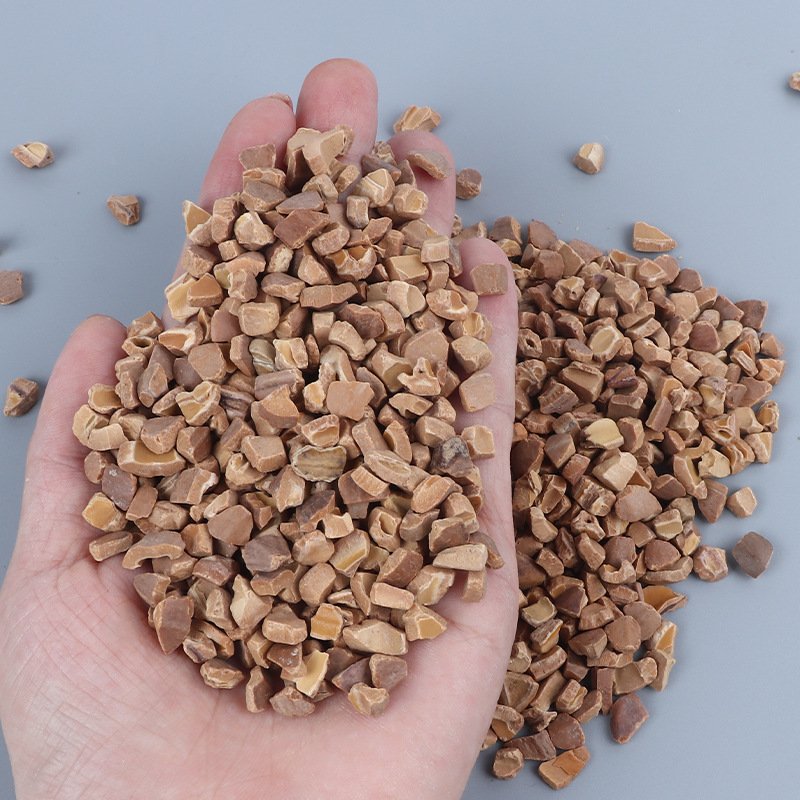
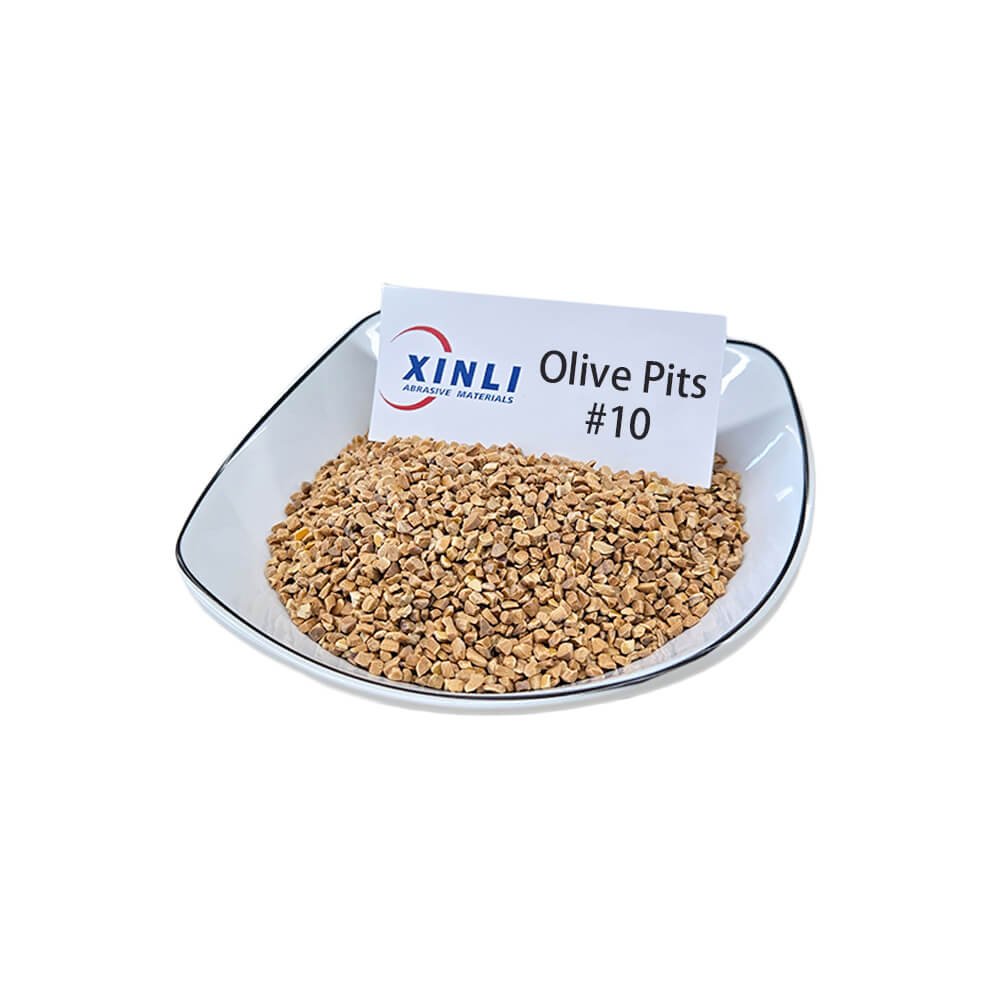
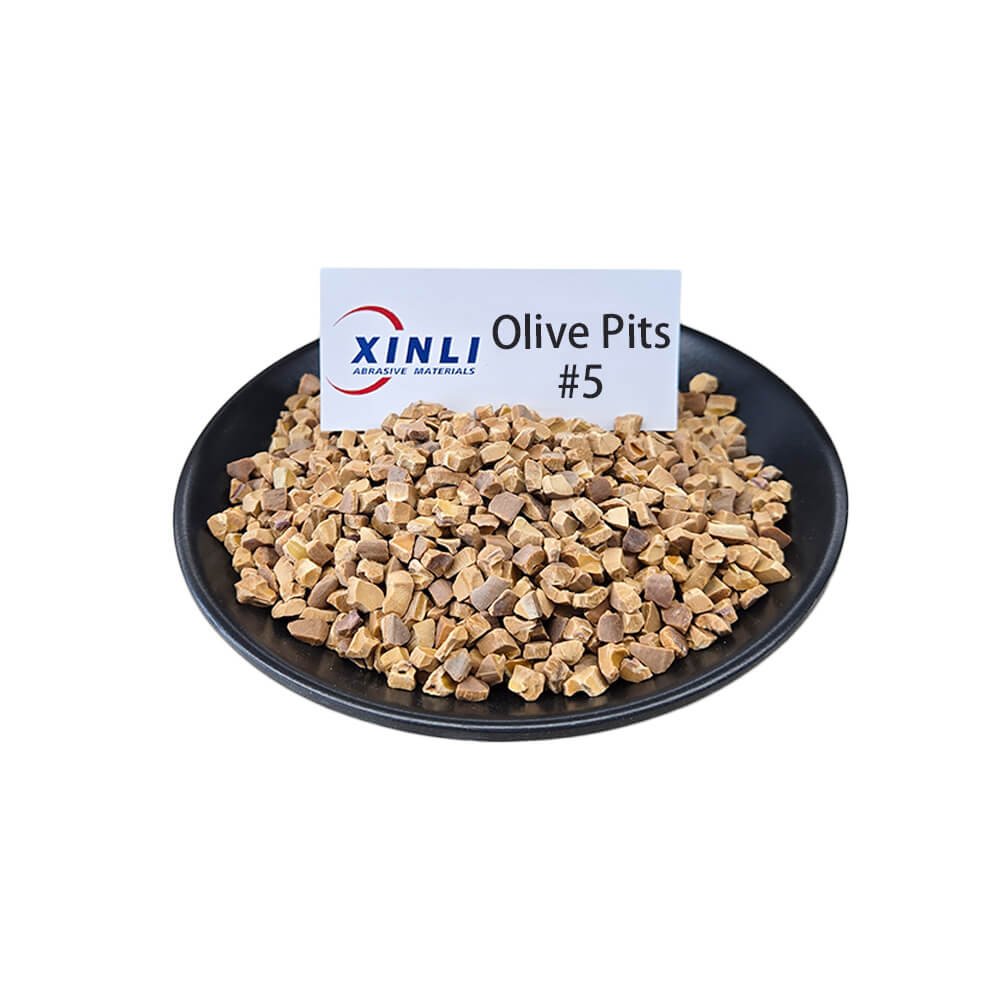
- Olive Pit Blasting Media: A processed agricultural abrasive that can be evaluated for controlled surface cleaning and coating removal, depending on particle size, hardness, and processing characteristics.
These materials offer an alternative for applications where conventional abrasives may produce excessive surface roughness or unwanted material removal.
2. Why Use Plant Abrasives for Paint and Coating Removal?
Traditional blasting materials such as aluminum oxide, garnet, and steel grit are commonly selected when high cutting efficiency or a defined surface profile is required.
However, these materials may be too aggressive for certain substrates or restoration projects.
Plant-based blasting media offers several application-specific advantages:
Reduced Substrate Abrasion
Organic abrasives are generally less aggressive than hard mineral abrasives. This makes them suitable for selected applications involving softer metals, wood, composite materials, and components with sensitive surfaces.
Controlled Coating Removal
Depending on the coating type, media grade, and operating parameters, plant-based abrasives can help remove paint and surface deposits while limiting unnecessary abrasion of the underlying substrate.
Biodegradable Material Characteristics
Walnut shell, corn cob, and olive pit abrasives originate from agricultural materials. Their organic composition makes them biodegradable under suitable environmental conditions.
Lower Risk of Conventional Mineral Abrasive Contamination
Organic blasting media can be useful when operators want to avoid introducing conventional mineral abrasive residues into certain cleaning processes. However, media fragments and coating residues still require proper removal and inspection.
Suitable for Specialized Cleaning Operations
Their relatively mild abrasive characteristics make plant-based media useful for selected maintenance, restoration, and industrial cleaning applications.
Part 2: Choosing the Right Plant Abrasive for Paint Removal
Not all organic abrasives provide the same coating removal performance. Particle hardness, shape, size, density, and friability all influence blasting efficiency.
1. Walnut Shell Blasting Media
Walnut shell blasting media is one of the most widely recognized organic abrasives for controlled paint stripping and surface cleaning.
Produced from processed walnut shells, it provides a balance between abrasive action and substrate protection.
Key Characteristics:
- Natural, biodegradable raw material.
- Relatively mild abrasive action compared with hard mineral abrasives.
- Angular particle structure for mechanical cleaning.
- Available in different particle size grades.
- Suitable for selected coating removal and industrial restoration processes.
Paint and Coating Removal Applications:
- Removing paint from selected metal components.
- Stripping coatings from automotive parts.
- Cleaning industrial equipment and machinery.
- Removing surface deposits from restoration components.
- Cleaning selected wood and composite surfaces.
Why Choose Walnut Shell?
Walnut shell is particularly suitable when the objective is to remove unwanted coatings without significantly changing the underlying surface profile.
Its relatively mild cutting characteristics make it a useful option for components where dimensional accuracy and surface preservation are important.
Explore our Walnut Shell Abrasive grades for industrial blasting applications.
2. Corn Cob Blasting Media
Corn cob blasting media is manufactured from processed corn cobs and is known for its lightweight structure, absorbency, and relatively soft abrasive characteristics.
Compared with walnut shell, corn cob is generally selected for gentler cleaning operations rather than demanding heavy coating removal.
Key Characteristics:
- Lightweight organic abrasive.
- Naturally absorbent structure.
- Relatively soft abrasive action.
- Biodegradable under suitable conditions.
- Available in different particle sizes.
Paint and Coating Removal Applications:
- Removing light paint residues.
- Cleaning delicate equipment surfaces.
- Removing surface contamination and deposits.
- Cleaning wood surfaces and selected restoration components.
- Removing light coatings where aggressive abrasion is undesirable.
Why Choose Corn Cob?
Corn cob is a suitable option when surface protection and gentle cleaning are more important than maximum coating removal speed.
For thick, strongly bonded, or highly resistant industrial coatings, a more suitable blasting medium may be required.
Explore our Corn Cob Abrasive grades for specialized surface cleaning.
3. Olive Pit Blasting Media
Olive pit blasting media is produced from processed olive stones and offers another agricultural-based option for industrial surface treatment.
Its physical characteristics depend on the raw material, crushing process, grading method, and final particle size.
Key Characteristics:
- Agricultural-origin abrasive material.
- Granular structure with application-dependent particle shapes.
- Available in different particle size grades.
- Suitable for evaluation in controlled cleaning and blasting operations.
- Biodegradable under suitable environmental conditions.
Potential Paint and Coating Removal Applications:
- Controlled surface cleaning.
- Selected coating and residue removal operations.
- Industrial component maintenance.
- Restoration of suitable surfaces.
- Specialized blasting processes requiring organic media.
Why Consider Olive Pit Media?
Olive pit abrasive provides an additional material option for buyers seeking agricultural-based blasting media.
Its suitability for a particular paint removal operation should be confirmed through particle characterization and practical blasting trials.
Explore our Olive Pit Abrasive products for more information.
Part 3: Plant Abrasive Comparison for Paint & Coating Removal
Selecting the correct organic abrasive depends on the coating thickness, adhesion strength, substrate material, and required surface condition after blasting.
The following comparison helps industrial buyers identify a suitable starting point.
Technical Comparison Matrix
| Parameter | Walnut Shell | Corn Cob | Olive Pit |
|---|---|---|---|
| Raw Material | Walnut Shell | Corn Cob | Olive Stone |
| Material Type | Organic Abrasive | Organic Abrasive | Organic Abrasive |
| Relative Abrasive Action | Mild to moderate | Gentle | Grade-dependent |
| Particle Structure | Angular granules | Lightweight granules | Granular particles |
| Typical Application Focus | Paint stripping and cleaning | Gentle cleaning and light coating removal | Specialized surface cleaning |
| Substrate Considerations | Selected metals, wood and composites | Delicate surfaces and wood | Depends on substrate and grade |
| Biodegradability | Yes, under suitable conditions | Yes, under suitable conditions | Yes, under suitable conditions |
Note: Relative abrasive action is a general application comparison, not a standardized hardness ranking. Actual performance depends on particle size, shape, density, moisture, blasting pressure, nozzle distance, and coating properties.
Which Plant Abrasive Should You Choose?
- For paint stripping on selected metal components: Start by evaluating walnut shell media.
- For delicate surfaces and light coating removal: Consider corn cob media.
- For specialized organic abrasive applications: Evaluate olive pit media through sample testing.
An important consideration is that softer organic abrasives do not automatically provide the fastest coating removal. A technical study on marine-aged painted wood found that walnut shell and other agricultural media performed differently depending on the blasting parameters, with corn cob being less effective under the specific conditions tested. bioresources.cnr.ncsu.edu+1
Part 4: Industrial Applications of Plant Abrasive Paint Removal
1. Automotive Parts and Component Restoration
Automotive components may accumulate paint, surface deposits, and other residues during their service life.
Plant-based blasting media can be evaluated for selected restoration operations where preserving the underlying component is important.
Typical Applications:
- Cleaning selected automotive metal components.
- Removing paint residues from suitable parts.
- Cleaning components before inspection or refurbishment.
- Surface maintenance of selected automotive assemblies.
Walnut shell is particularly worth evaluating for controlled stripping operations where conventional hard abrasives may be unnecessarily aggressive.
2. Industrial Machinery and Equipment Maintenance
Industrial equipment often requires periodic cleaning and coating removal during maintenance and refurbishment.
Plant-based blasting can be considered for selected machinery components where operators need to remove surface coatings without excessive abrasion.
Typical Applications:
- Removing old paint from selected machine components.
- Cleaning equipment housings.
- Removing accumulated surface residues.
- Preparing suitable components for repainting.
- Maintenance of non-critical external surfaces.
The appropriate media should be selected according to the equipment material, coating condition, and required finish.
3. Wood Furniture and Surface Restoration
Wood surfaces can be easily damaged by aggressive blasting materials, especially when the objective is to remove paint while preserving the original grain and surface appearance.
Organic blasting media provides options for controlled cleaning and restoration.
Typical Applications:
- Removing paint from wooden furniture.
- Cleaning decorative wood components.
- Restoring selected architectural wood surfaces.
- Removing old coating residues.
- Preparing wooden surfaces for refinishing.
Corn cob and walnut shell can both be evaluated, depending on the coating strength and the desired surface appearance.
4. Aerospace and Composite Component Maintenance
Certain aerospace and composite components require coating removal processes that minimize unnecessary substrate damage.
Organic blasting media may be considered for specifically approved cleaning applications, but it must not be assumed suitable for every aerospace material or component.
Typical Applications:
- Selected coating removal operations.
- Cleaning suitable composite components.
- Maintenance of approved non-critical surfaces.
- Specialized restoration processes.
For aerospace applications, media selection and blasting procedures must follow the component manufacturer’s engineering requirements and applicable maintenance specifications.
5. Marine and Shipbuilding Equipment Maintenance
Marine equipment is frequently exposed to moisture, salt, and protective coating systems.
During maintenance, old coatings may need to be removed before inspection, repair, or recoating.
Plant-based blasting media can be evaluated for selected equipment and surfaces where gentle cleaning is preferred.
Typical Applications:
- Cleaning selected marine equipment components.
- Removing light coating residues.
- Cleaning suitable wooden marine structures.
- Surface restoration and maintenance.
For heavy marine protective coatings, thick epoxy systems, and corrosion-related surface preparation, more aggressive blasting materials may be necessary to achieve the required removal rate and surface profile.
Part 5: How to Improve Paint Removal Efficiency with Plant Abrasives
Even when the correct organic blasting media is selected, operating conditions have a significant influence on the final result.
Industrial operators should consider the following factors.
1. Select the Correct Particle Size
Particle size influences impact behavior, coating removal efficiency, and the quality of the cleaned surface.
- Fine Grades: Suitable for detailed cleaning and lighter surface deposits.
- Medium Grades: Useful for general cleaning and selected coating removal operations.
- Coarse Grades: May provide greater impact per particle for suitable applications, depending on media properties and equipment.
The ideal grade should be established through practical testing rather than particle size alone.
2. Adjust Blasting Pressure
Blasting pressure affects particle velocity and impact energy.
Excessive pressure can increase substrate damage, media breakdown, and unnecessary material consumption.
For sensitive substrates, operators should begin with conservative equipment settings and gradually adjust pressure during controlled testing.
There is no universal pressure setting for all walnut shell, corn cob, or olive pit blasting operations.
3. Control Nozzle Distance and Blasting Angle
Nozzle distance and angle influence how particles interact with the coated surface.
Operators should evaluate:
- Distance between the nozzle and workpiece.
- Blasting angle.
- Nozzle diameter.
- Movement speed.
- Uniformity of media distribution.
Consistent operating conditions help improve coating removal uniformity and reduce localized surface damage.
4. Evaluate Coating Type and Thickness
Not all paint systems respond equally to organic blasting media.
The removal performance depends on:
- Coating chemistry.
- Paint thickness.
- Adhesion strength.
- Number of coating layers.
- Age and condition of the coating.
- Substrate material.
Thin or weakly bonded coatings may be easier to remove than thick, fully cured industrial coatings.
For highly resistant epoxy, polyurethane, or multi-layer protective coating systems, plant-based abrasives may not provide sufficient removal efficiency.
5. Test the Surface Before Full Production
Before starting a large-scale blasting operation, conduct a sample test using the actual substrate and coating.
Evaluate:
- Coating removal rate.
- Remaining paint residues.
- Surface appearance.
- Substrate damage.
- Media consumption.
- Dust generation.
- Post-blasting cleaning requirements.
This helps determine whether the selected plant abrasive is suitable for the production process.
Part 6: Plant Abrasives vs. Conventional Blasting Media
Why would an industrial buyer choose plant-based blasting media instead of conventional abrasives?
The answer depends on the required balance between coating removal speed, surface protection, and final surface condition.
| Comparison | Plant-Based Abrasives | Aluminum Oxide | Garnet |
|---|---|---|---|
| Material Origin | Agricultural | Mineral | Mineral |
| Abrasive Action | Generally mild | Aggressive | Moderate to aggressive |
| Paint Removal | Selected coatings | Broad range of coatings | Broad range of coatings |
| Surface Profiling | Generally limited | Suitable for profiling | Suitable for profiling |
| Substrate Protection | Useful for sensitive surfaces | Requires careful control | Depends on operating conditions |
| Typical Application | Controlled stripping and cleaning | Heavy-duty surface preparation | Industrial coating removal and preparation |
Plant-based abrasives are not intended to replace every conventional blasting material.
For applications requiring deep rust removal, heavy coating removal, or a defined surface anchor profile before industrial painting, mineral abrasives may remain the more appropriate choice.
However, when the priority is controlled paint removal and reduced substrate abrasion, organic blasting media deserves consideration. MDPI+2
Frequently Asked Questions (FAQ)
Q1: What is the best plant-based abrasive for paint removal?
Walnut shell is a useful starting point for evaluating paint stripping applications because it offers relatively mild abrasive action while providing more cutting capability than very soft organic media in many applications.
Corn cob is generally better suited to gentle cleaning and lighter coating removal. Olive pit media can also be evaluated depending on its particle characteristics and the specific application.
The best choice depends on coating thickness, adhesion, substrate material, and required surface finish.
Q2: Can walnut shell blasting remove paint without damaging metal surfaces?
Walnut shell blasting can remove selected coatings from metal components while minimizing unnecessary surface abrasion compared with harder conventional abrasives.
However, it does not guarantee zero surface alteration. Blasting pressure, particle size, nozzle distance, and exposure time must be controlled according to the metal substrate and coating system.
Q3: Is corn cob blasting media suitable for heavy paint removal?
Corn cob is generally a relatively soft and lightweight blasting material.
It is more commonly considered for delicate cleaning, light coating removal, and surface residue removal than for thick, strongly bonded industrial coatings.
For demanding paint stripping applications, walnut shell or a different abrasive may be more suitable.
Q4: Can plant-based blasting media be used on wood surfaces?
Yes. Walnut shell and corn cob media can be evaluated for selected wood cleaning and paint removal applications.
However, wood is sensitive to impact energy. Blasting pressure, particle size, nozzle distance, and blasting angle should be tested carefully to avoid damaging the grain or changing the surface appearance.
Q5: Are plant-based blasting abrasives environmentally friendly?
Plant-based abrasives are manufactured from agricultural materials and are biodegradable under suitable environmental conditions.
They can provide an alternative to certain mineral blasting materials in suitable applications.
However, the environmental impact of a complete blasting process also depends on the removed coating, contaminants, dust collection, disposal methods, and whether the media is reused.
Paint residues may contain hazardous substances, including lead or other regulated contaminants. Appropriate testing, worker protection, dust collection, and waste management procedures are essential.
Q6: Can plant-based abrasives replace aluminum oxide or garnet?
Not in every application.
Aluminum oxide and garnet are generally better suited to aggressive coating removal and surface profiling.
Plant-based abrasives are more appropriate when relatively mild abrasive action and substrate preservation are important.
The selection should be based on the required coating removal rate and final surface condition.
Q7: What particle sizes are available for plant abrasive blasting media?
Plant abrasive blasting media can be processed into different particle size grades according to the raw material and intended application.
Common procurement considerations include:
- Particle size distribution.
- Oversized and fine particle content.
- Moisture content.
- Bulk density.
- Particle shape.
- Packaging requirements.
Buyers should request the manufacturer’s actual technical specifications when comparing different grades.
Part 7: How to Select a Reliable Plant Abrasive Supplier
For industrial buyers, choosing a blasting media supplier involves more than comparing product prices.
Consistent material characteristics are important for maintaining stable blasting performance across production batches.
Before placing a bulk order, consider the following factors:
1. Particle Size Consistency
Confirm that the supplier can provide the required particle size distribution and control oversized or excessively fine particles.
2. Material Quality
Check for consistent raw material processing, cleanliness, moisture control, and product uniformity.
3. Application-Specific Grades
A reliable supplier should be able to recommend suitable walnut shell, corn cob, or olive pit grades according to your blasting equipment and coating removal requirements.
4. Technical Documentation
Request product specifications, available test reports, and relevant safety documentation before purchasing.
5. Sample Testing
Evaluate samples using your actual coating, substrate, and blasting conditions before committing to large-volume orders.
Conclusion: Choosing the Right Organic Abrasive for Controlled Coating Removal
Plant-based abrasive blasting provides an alternative approach to selected paint and coating removal operations where surface preservation is an important consideration.
Walnut shell, corn cob, and olive pit each offer different material characteristics and potential industrial applications.
- Walnut Shell: A practical starting point for controlled paint stripping and industrial cleaning.
- Corn Cob: Suitable for gentle cleaning and selected light coating removal applications.
- Olive Pit: An additional agricultural-based option for specialized surface treatment and cleaning.
Selecting the right media requires consideration of coating properties, substrate sensitivity, particle size, blasting parameters, and final surface requirements.
For manufacturers, maintenance contractors, and industrial surface treatment companies, the right organic abrasive can help achieve a better balance between cleaning performance and substrate preservation.
Request a Quote for Plant-Based Abrasive Blasting Media
Looking for a suitable organic abrasive for your paint and coating removal process?
At BioAbrasives, we supply plant-based abrasive materials, including Walnut Shell, Corn Cob, and Olive Pit, for industrial blasting and surface treatment applications.
We can help you evaluate suitable particle size grades according to your substrate, coating type, and processing requirements.
Contact our team to discuss:
- Walnut shell blasting media for paint stripping.
- Corn cob abrasive for delicate surface cleaning.
- Olive pit abrasive for specialized industrial applications.
- Customized particle size and packaging requirements.
- Bulk supply and product samples.
Contact Our Sales Team to discuss your application and request product specifications.