Introduction
Plant-based abrasives are becoming an option for manufacturers looking for gentler and naturally derived materials for cleaning, polishing, drying, blasting, and surface preparation.
However, choosing the right plant-based abrasive is not simply a matter of selecting the lowest price or the most commonly used material.
Corn cob, walnut shell, and olive pit abrasives have different characteristics and are available in different particle sizes. The right choice depends on the material being treated, the desired result, equipment, and production requirements.
So, how should you choose a plant-based abrasive?
1. Start With the Application
The first question should always be:
What do you want the abrasive to do?
Different applications require different abrasive characteristics.
For example:
- Cleaning may require controlled abrasive action.
- Polishing may require a finer particle size.
- Drying may benefit from an absorbent material.
- Blasting requires consideration of particle size and equipment.
- Surface preparation may require a balance between cleaning performance and surface protection.
Defining the application first makes it easier to narrow down the appropriate material and grade.
2. Choose the Right Plant-Based Material
Different plant-based abrasive materials have different physical characteristics.
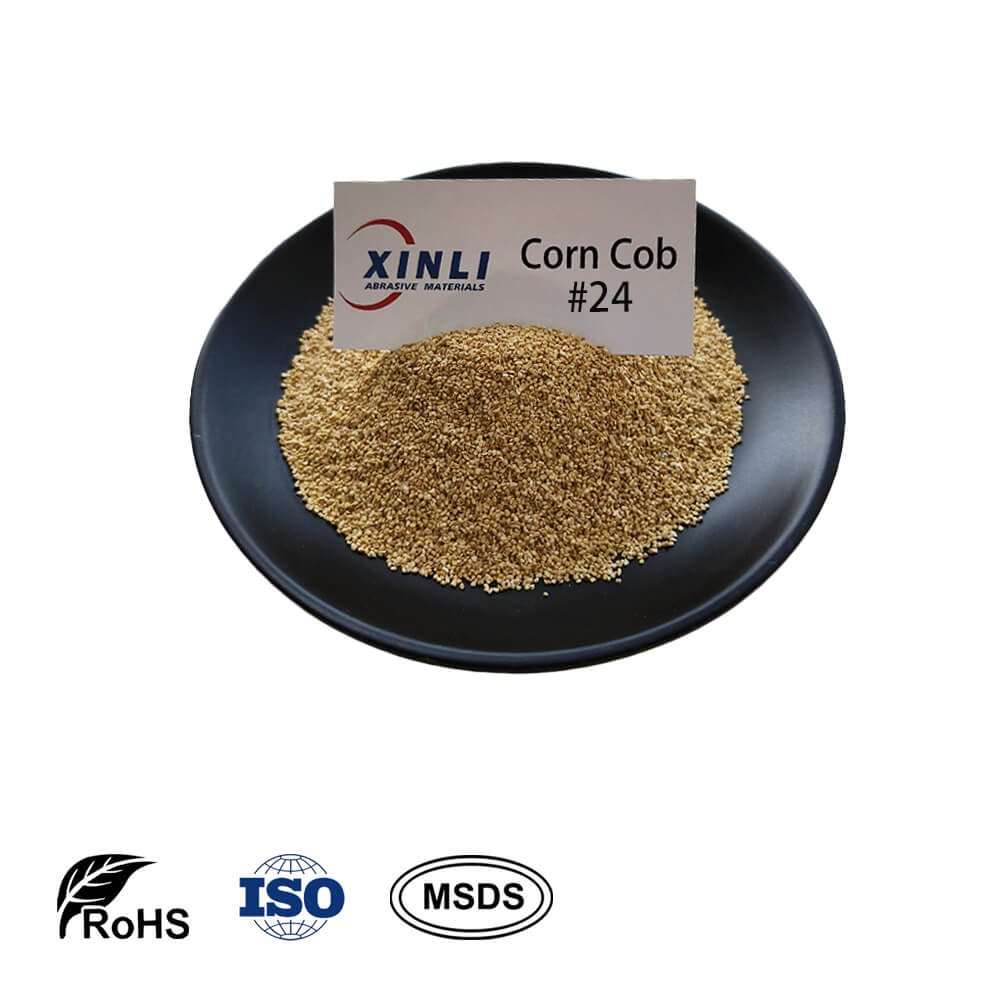
Corn Cob Abrasives
Corn cob is lightweight and naturally absorbent. It can be considered for applications involving:
- Gentle cleaning
- Drying
- Light polishing
- Surface treatment
- Selected blasting applications
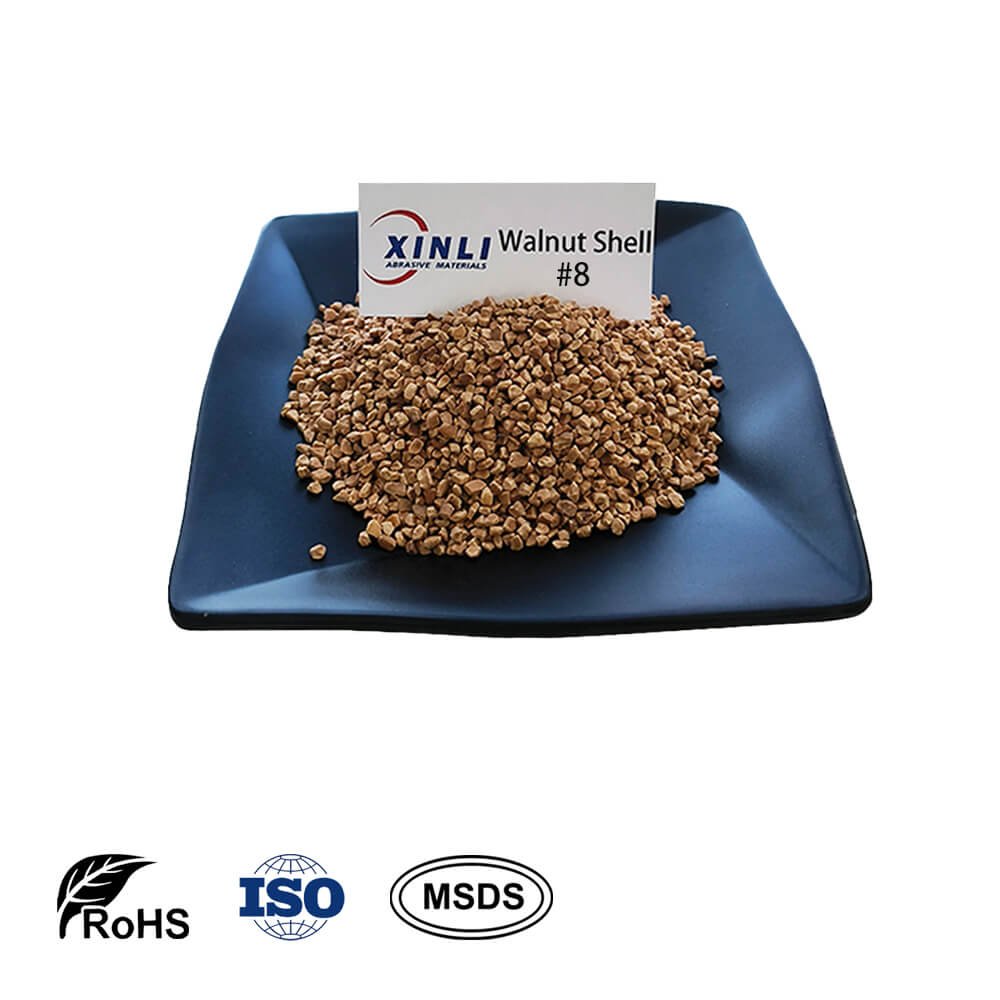
Walnut Shell Abrasives
Walnut shell generally provides a stronger abrasive action than corn cob and is widely considered for:
- Cleaning
- Polishing
- Blasting
- Surface preparation
- Removing selected contaminants
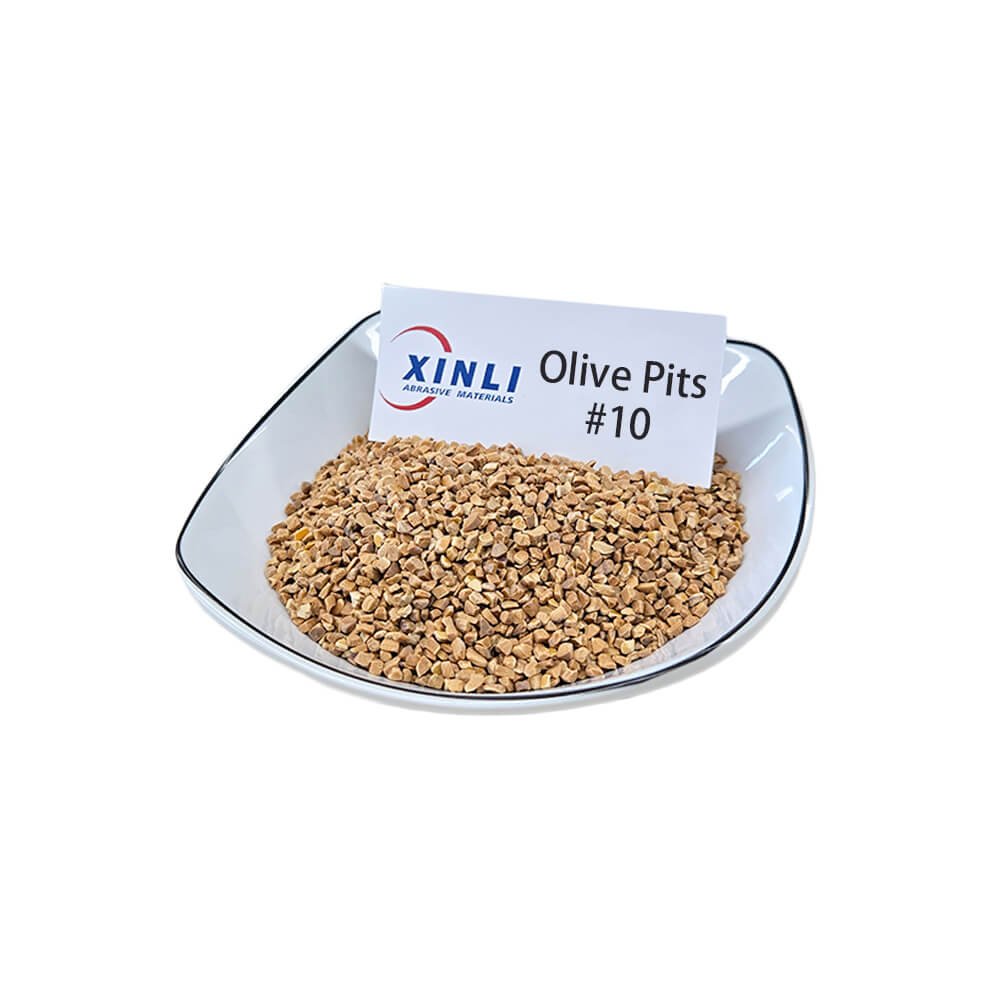
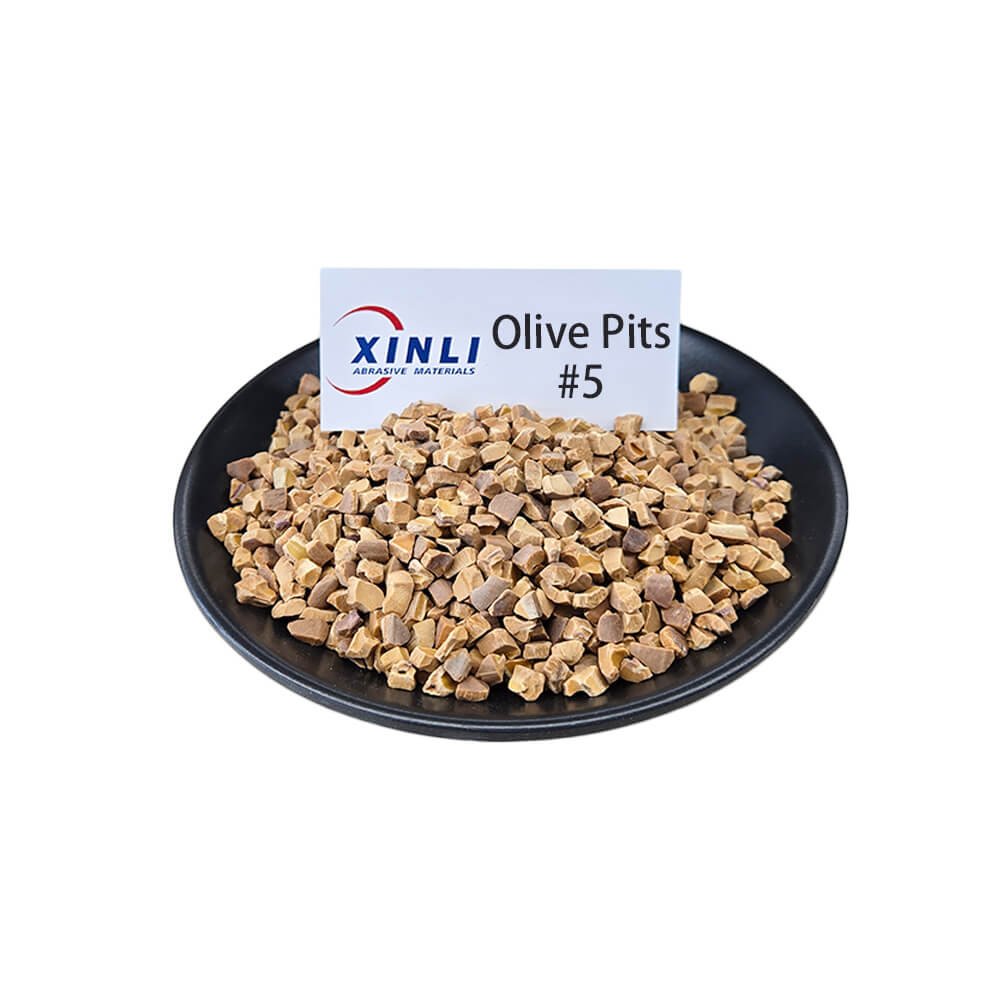
Olive Pit Abrasives
Olive pit abrasives provide another plant-based option for applications requiring controlled abrasive action.
The appropriate material depends on the substrate, application, and desired finish.
3. Consider Particle Size
Particle size is one of the most important factors when purchasing plant-based abrasives.
A coarse material generally provides stronger mechanical action, while finer particles are more suitable for gentler cleaning, polishing, and finishing applications.
Before placing an order, make sure the supplier can provide a consistent particle-size range that matches your process.
For industrial applications, it is often better to discuss the required result with the supplier rather than choosing a grade based only on a product number.
4. Consider the Material Being Treated
The substrate is just as important as the abrasive.
A material that works well on one surface may not be appropriate for another.
Consider:
- Metal
- Plastic
- Wood
- Composite materials
- Painted surfaces
- Coated components
- Delicate or sensitive surfaces
If protecting the original surface is important, a gentler plant-based abrasive may be worth evaluating.
5. Ask for a Sample Before Bulk Purchasing
For new applications, purchasing a large quantity immediately may not be the best approach.
A better process is:
Application evaluation → Sample testing → Grade confirmation → Bulk order
Testing a sample allows you to evaluate:
- Cleaning efficiency
- Surface finish
- Abrasive consumption
- Processing time
- Equipment compatibility
- Final appearance
This can help prevent costly mistakes when moving to larger production volumes.
6. Check Product Consistency
For industrial buyers, consistency is often more important than simply finding a low-cost abrasive.
Ask the supplier about:
- Particle-size consistency
- Moisture control
- Foreign-material removal
- Screening process
- Packaging
- Batch consistency
- Quality control
A reliable abrasive should perform consistently from one shipment to the next.
7. Consider Packaging and Shipping
Plant-based abrasives are often purchased in larger quantities, so packaging should not be overlooked.
Depending on your production requirements, suppliers may offer different packaging solutions such as bags, big bags, or customized packaging.
When comparing suppliers, consider the total delivered cost, not only the product price.
Shipping distance, packaging weight, minimum order quantity, and transportation conditions can all affect the final purchasing cost.
8. Evaluate the Supplier, Not Just the Product
A good abrasive supplier should be able to answer practical questions about the material.
Before purchasing, ask:
- What particle sizes are available?
- Can you provide a sample?
- What is the typical moisture level?
- How is the material screened?
- What packaging options are available?
- What is the minimum order quantity?
- Can you support regular bulk supply?
- Can you provide documentation for the material?
Clear answers to these questions can help you identify whether a supplier is suitable for long-term cooperation.
Conclusion
Choosing the right plant-based abrasive requires more than comparing product prices.
The best choice depends on the application, abrasive material, particle size, substrate, equipment, quality requirements, and supply conditions.
For first-time buyers, testing samples before placing a bulk order is one of the simplest ways to confirm that the selected abrasive meets your production requirements.
Xinli supplies corn cob, walnut shell, and olive pit plant-based abrasives in different grades for industrial applications. Contact us to discuss your application and find a suitable abrasive material and particle size.