Introduction
Choosing a plant-based abrasive supplier is an important decision for manufacturers using abrasive media in regular production.
A product may look suitable on paper, but factors such as particle-size consistency, moisture, cleanliness, packaging, supply capacity, and communication can have a significant impact on the actual purchasing experience.
Whether you are buying corn cob, walnut shell, olive pit, or another plant-derived abrasive, it is useful to evaluate the supplier carefully before starting a long-term purchasing relationship.
1. Check the Abrasive Material
Start by confirming exactly what material the supplier provides.
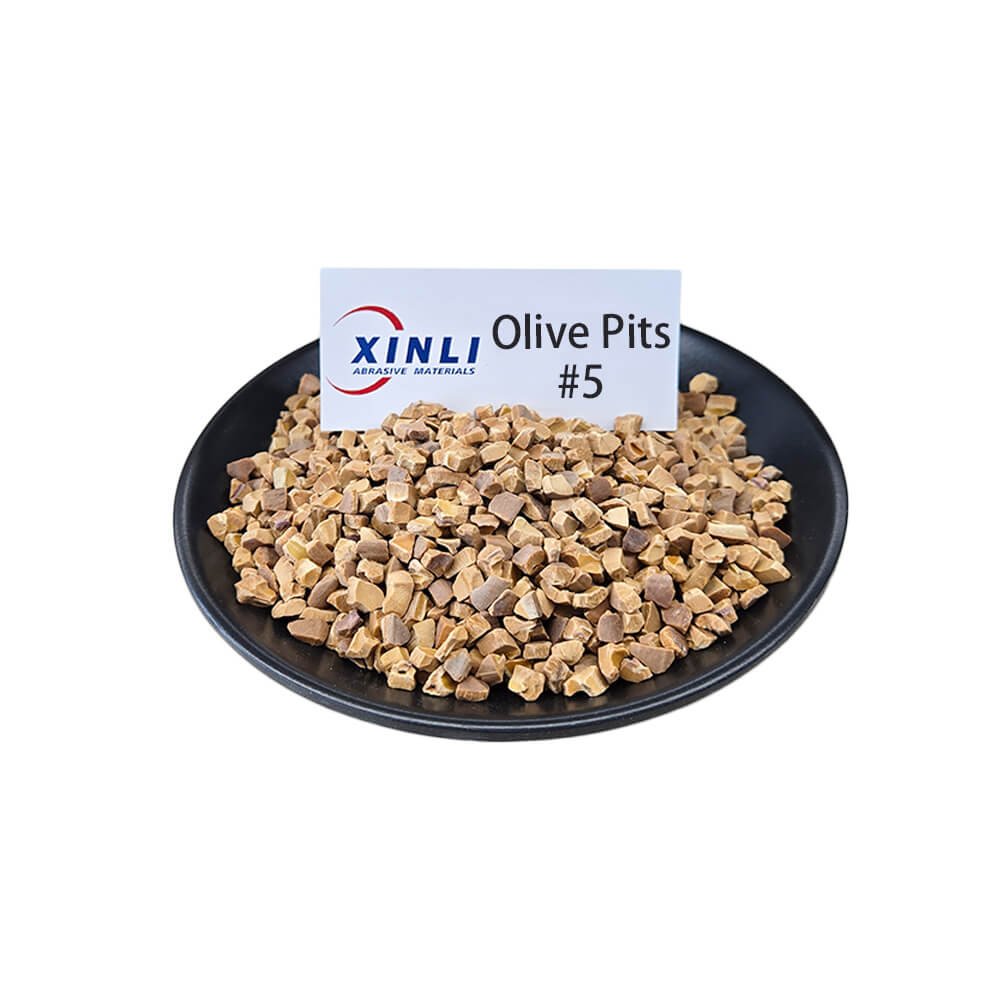
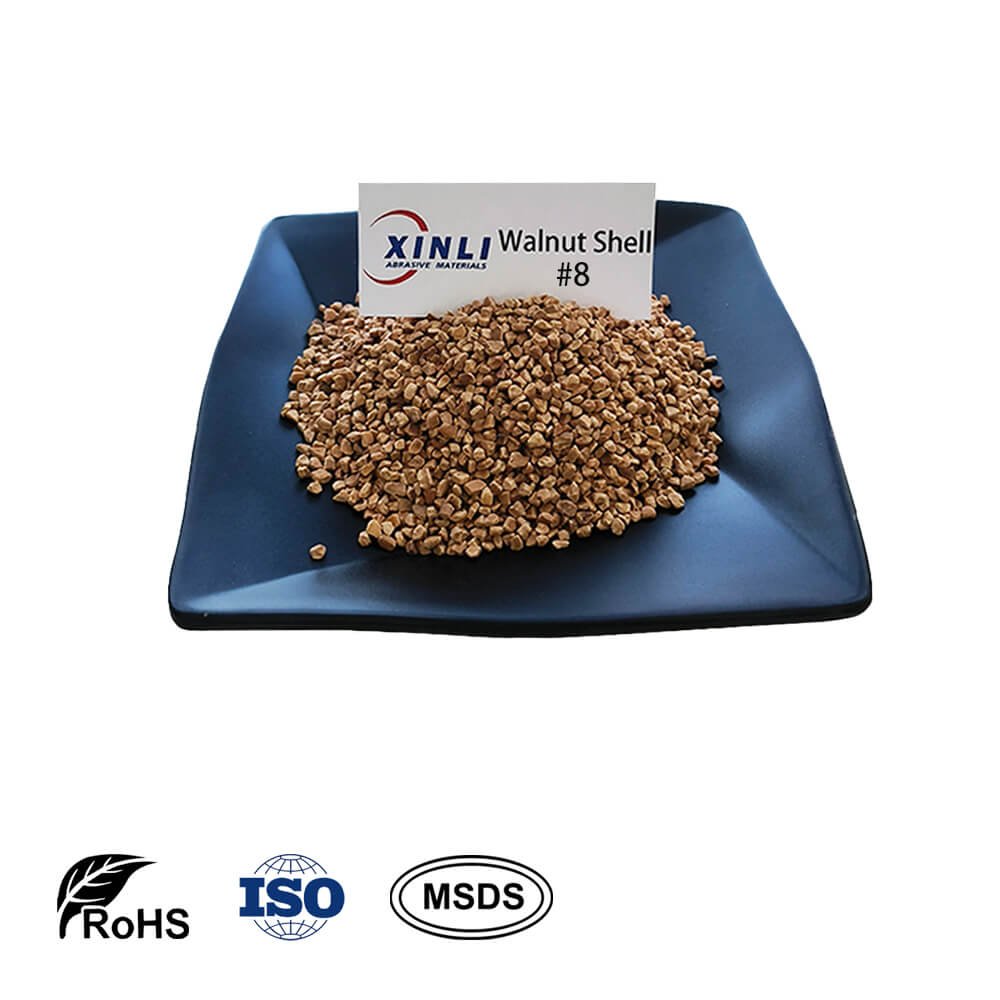
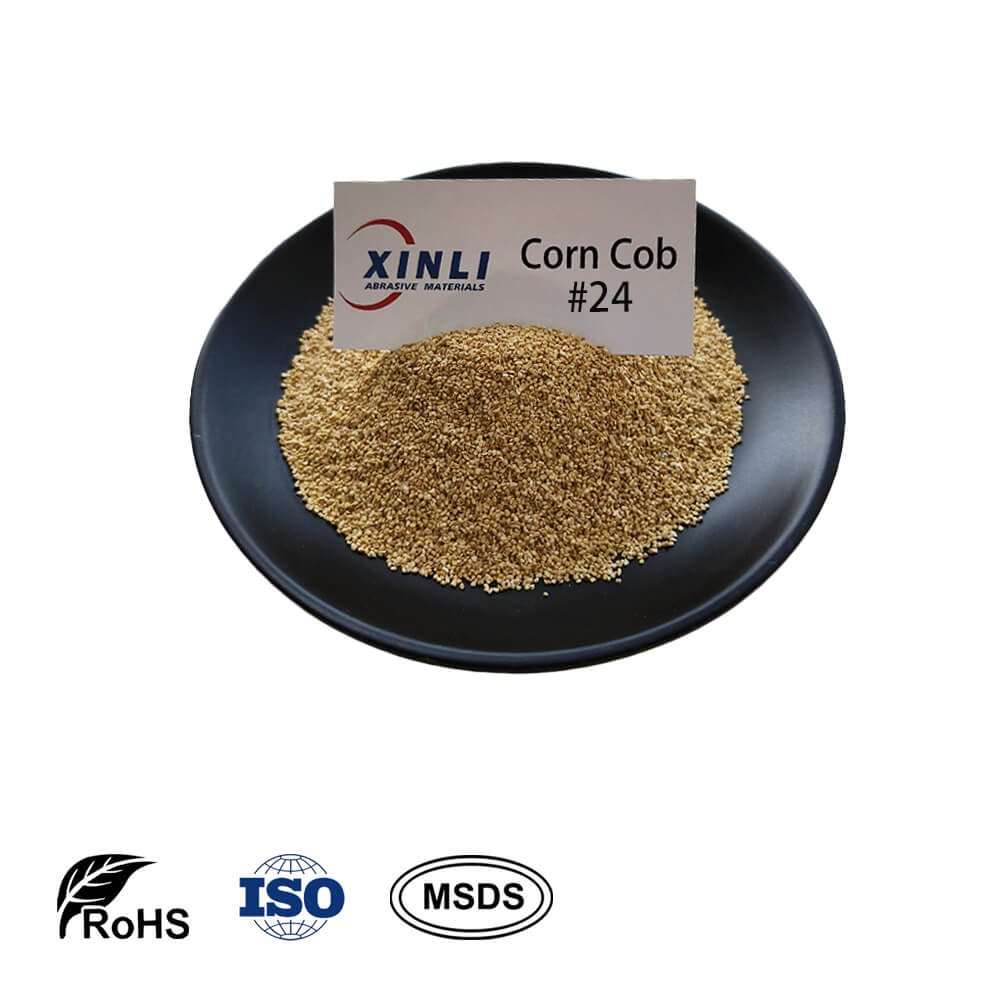
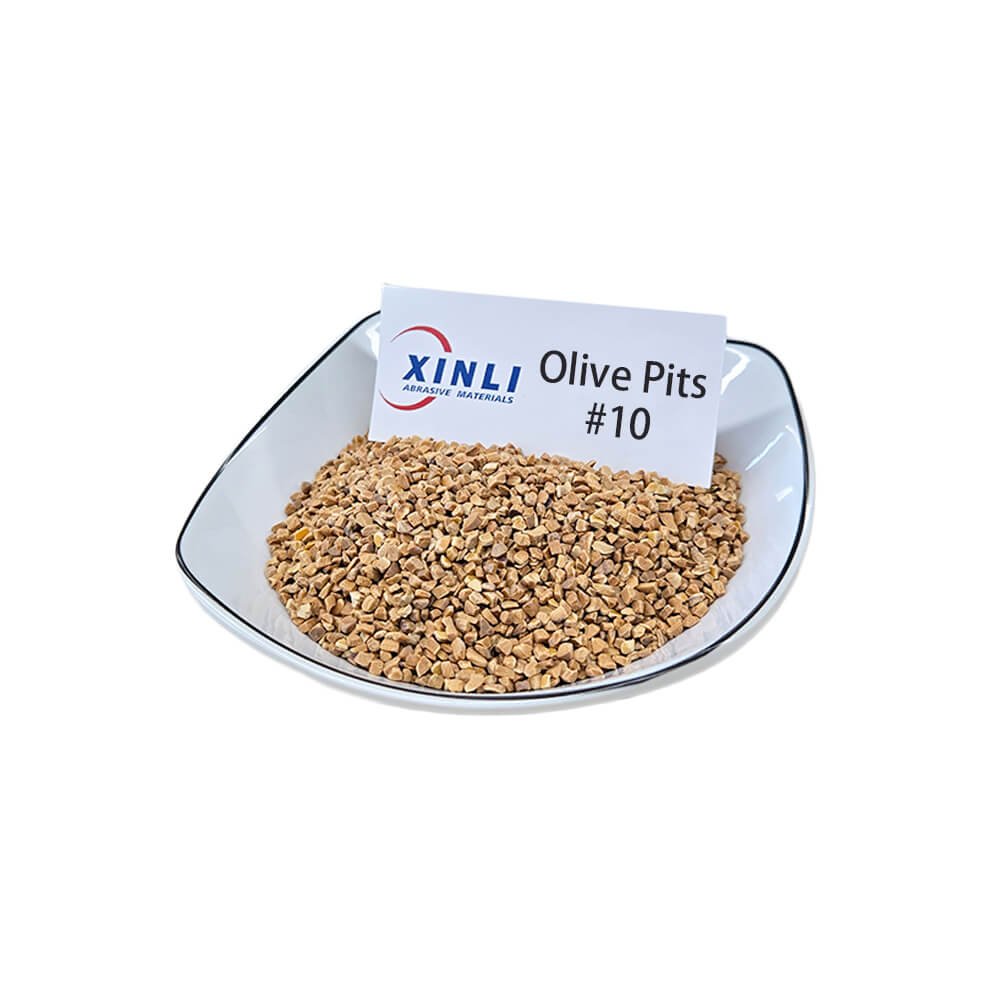
Common plant-based abrasive materials include:
- Corn cob
- Walnut shell
- Olive pit
Different materials have different physical characteristics and should be selected according to the intended application.
Do not assume that two plant-based abrasives will provide the same performance simply because they are both natural materials.
2. Check Available Particle Sizes
Particle size can directly affect abrasive performance.
When contacting a supplier, ask for the available grades and particle-size specifications.
A professional supplier should be able to explain the differences between grades and recommend suitable options based on your application.
If you already have a target particle size, provide the supplier with your current specification rather than simply asking for the “best” grade.
3. Ask About Quality Control
Quality control is particularly important for repeat industrial purchases.
Before ordering, ask how the supplier controls:
Particle size
Are materials screened and classified consistently?
Cleanliness
Are unwanted foreign materials removed during processing?
Moisture
Is moisture controlled during production and storage?
Batch consistency
Can the supplier maintain similar characteristics between different batches?
These factors can affect equipment performance and final surface results.
4. Request a Sample
A sample is one of the most useful tools when evaluating a new supplier.
Before placing a large order, test the material under your actual production conditions whenever possible.
Compare the sample with your existing abrasive based on:
- Performance
- Surface finish
- Consumption
- Processing speed
- Dust generation
- Equipment compatibility
A successful sample test gives you much more useful information than a product specification sheet alone.
5. Look at Minimum Order Quantities
Minimum order quantity can have a significant impact on purchasing costs.
A supplier may offer an attractive unit price, but a very large minimum order could increase your inventory and storage requirements.
Ask about:
- Sample quantity
- Trial order quantity
- Standard order quantity
- Bulk order quantity
- Customized packaging
Choose a purchasing arrangement that matches your actual consumption.
6. Compare Total Cost, Not Just Unit Price
The cheapest product is not necessarily the most economical option.
When comparing suppliers, consider the total purchasing cost:
Product price + Packaging + Shipping + Handling + Potential waste
For international buyers, freight costs can make a significant difference to the final landed cost.
A supplier with slightly higher material pricing may still be more competitive if they provide better consistency, packaging, documentation, and shipping arrangements.
7. Check Packaging
Proper packaging is important for plant-based materials because storage and transportation conditions can affect product quality.
Ask suppliers about available packaging options and whether they can provide packaging suitable for international transportation.
For larger orders, bulk packaging may be more economical, while smaller trial orders may require smaller bags.
8. Consider Supply Capacity
If plant-based abrasives are going to become part of your regular production process, supply reliability matters.
Before choosing a supplier, ask:
- What is the normal production capacity?
- Can the supplier support recurring orders?
- What is the typical lead time?
- Are different grades available?
- Can production be scaled when demand increases?
A supplier that can support long-term demand is generally more useful than one that can only provide a small one-time shipment.
9. Communication Matters
International purchasing involves more than the product itself.
A responsive supplier should be able to communicate clearly about:
- Product specifications
- Samples
- Pricing
- Packaging
- Lead times
- Shipping
- Documentation
Fast and accurate communication can make the purchasing process much easier, particularly when dealing with customized requirements.
A Simple Checklist for Buyers
Before placing an order, consider asking the supplier these questions:
☐ What material is the abrasive made from?
☐ What particle sizes are available?
☐ Can I receive a sample?
☐ What quality-control process is used?
☐ How is moisture controlled?
☐ What packaging options are available?
☐ What is the minimum order quantity?
☐ What is the expected lead time?
☐ Can you support regular bulk orders?
☐ Can you provide product specifications or other documentation?
Conclusion
Buying plant-based abrasives should be approached as a technical and supply decision, rather than simply a price comparison.
The right supplier should be able to provide suitable materials, consistent particle sizes, reliable quality, appropriate packaging, and stable supply.
For new buyers, the safest approach is usually to define the application, request samples, test the material, confirm the grade, and then move to regular purchasing.
Xinli provides corn cob, walnut shell, and olive pit abrasives for customers looking for plant-based abrasive solutions. We can help buyers evaluate suitable materials and grades according to their application and purchasing requirements.
Contact Xinli to discuss your plant-based abrasive requirements, sample needs, particle sizes, and bulk supply.