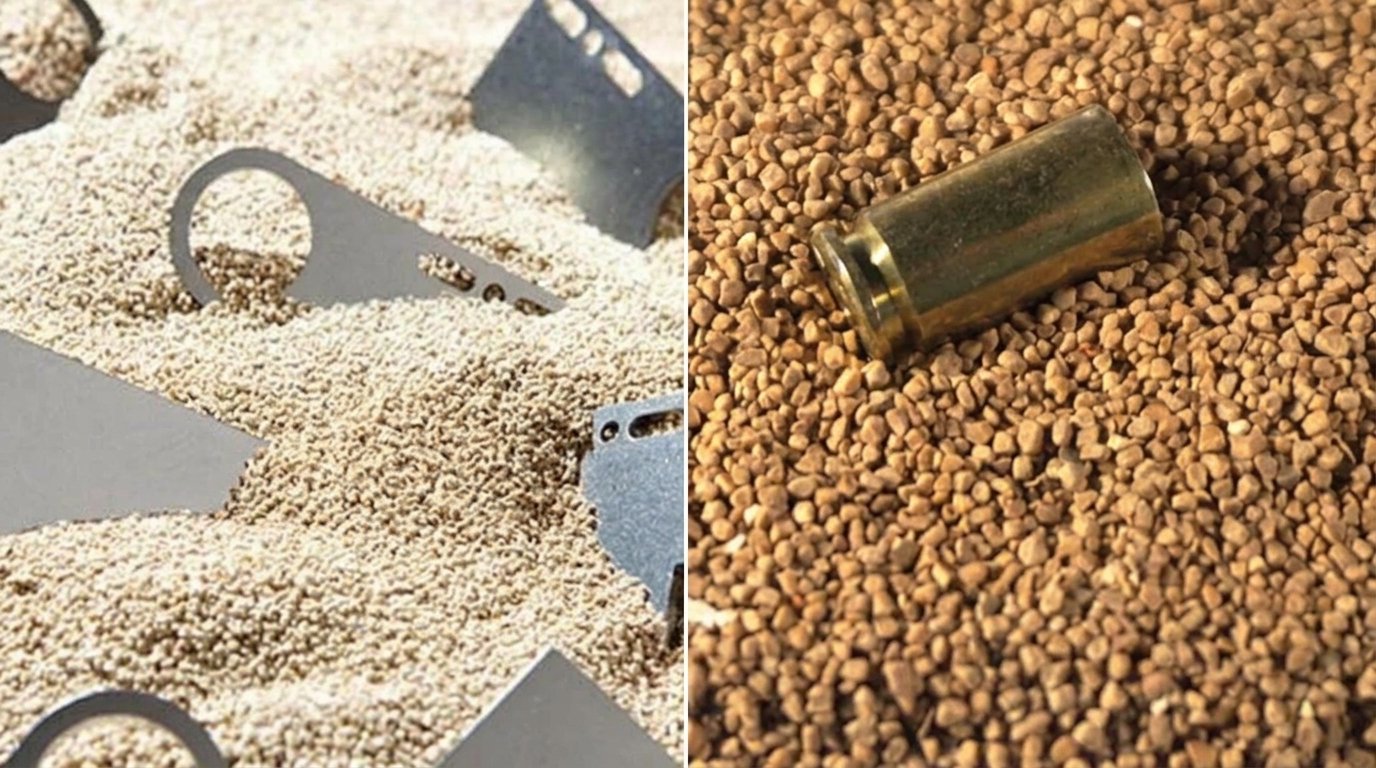
Selecting the right blasting medium is essential when industrial cleaning must balance contaminant removal, surface protection, processing time, and operating cost. Walnut shell blasting media and corn cob blasting media are plant-based options used in selected applications where a gentler cleaning action or absorbent media is required.
Although both are derived from natural plant materials, they have different physical characteristics and should not be treated as interchangeable products. The best choice depends on the workpiece, the contaminant, the equipment, and the required surface result.
Walnut Shell vs. Corn Cob Blasting Media
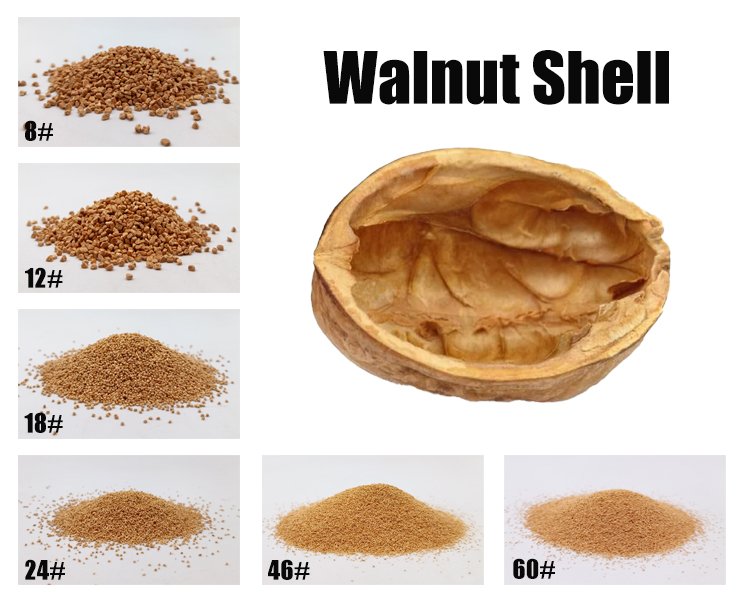
Walnut Shell Blasting Media
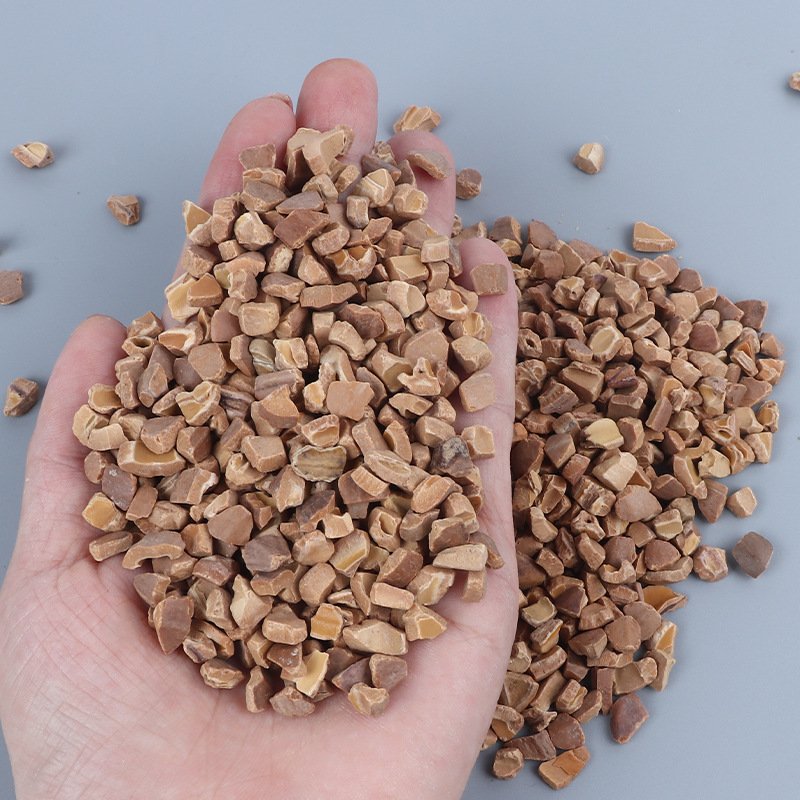
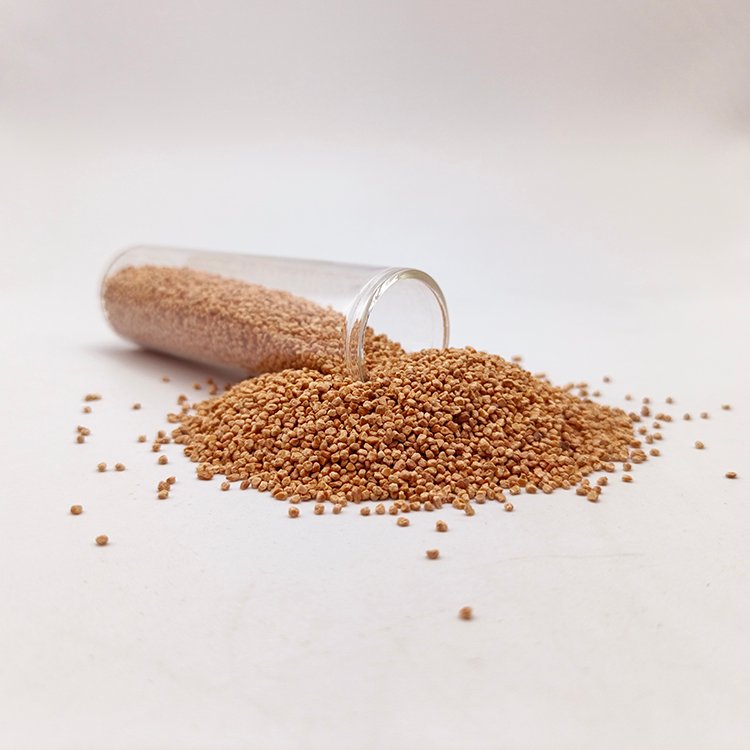
Walnut shell abrasive is made by crushing and grading walnut shells. It is used in selected blasting applications involving paint removal, carbon cleaning, surface contamination, and finishing of materials that may be damaged by harder abrasives.
Typical application areas include:
- Cleaning selected aluminum components and castings
- Removing certain paints and coatings from compatible substrates
- Cleaning carbon deposits from suitable industrial parts
- Cleaning selected molds and composite components
- Removing surface contamination from wood and other sensitive materials
Walnut shell blasting is often considered when the base material needs to remain relatively unaffected during cleaning. However, the actual result depends on the coating, media grade, pressure, and blasting technique.
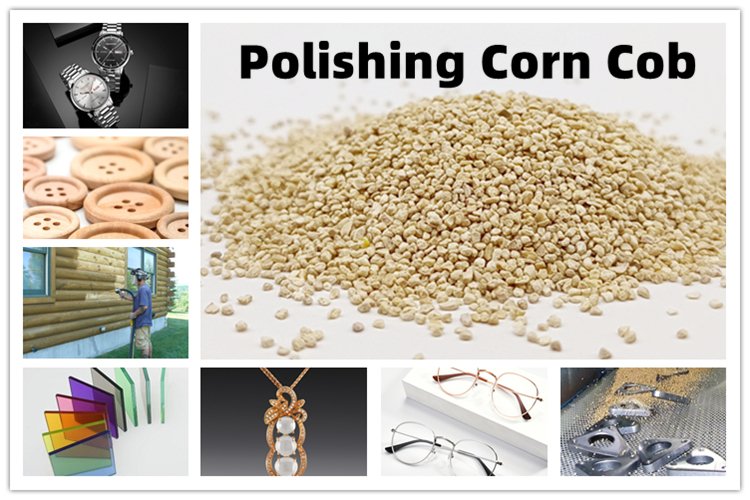
Corn Cob Blasting Media
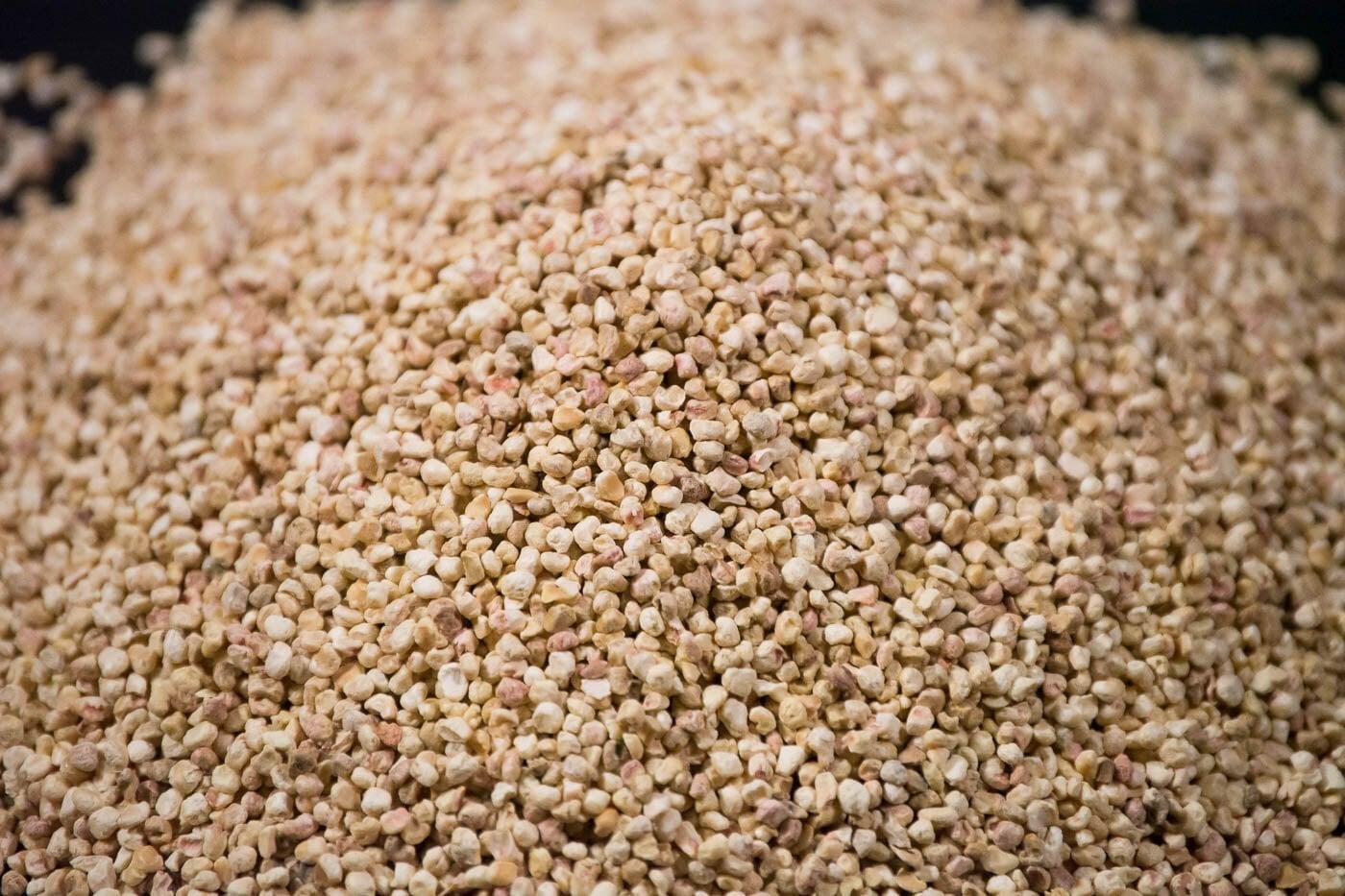
Corn cob blasting media is produced from processed corn cobs. It is commonly used for gentle cleaning, light polishing, drying, and selected surface-treatment processes.
Its absorbent structure makes it particularly useful in applications involving moisture, oil, or residual processing compounds. Depending on the grade and equipment, corn cob media may be used for:
- Drying components after washing or wet finishing
- Absorbing residual moisture and selected oily contaminants
- Light polishing and finishing of suitable parts
- Cleaning selected wood, stone, brass, and other sensitive surfaces
- Removing certain surface stains or coatings where its cleaning action is sufficient
Corn cob media is also used in vibratory and tumbling systems, not only in conventional blasting cabinets.
Which Media Is Better for Paint and Coating Removal?
The answer depends on the coating and the substrate.
For selected paint-removal applications, walnut shell media may provide a useful balance between cleaning action and substrate protection. Corn cob media may be suitable for certain lighter coating or stain-removal tasks, particularly on compatible materials.
Before selecting either product, consider:
- Coating thickness and adhesion: Thick, hard, or strongly bonded coatings may require a different process.
- Substrate sensitivity: Thin aluminum, plastics, composites, wood, and coated surfaces have different tolerances for impact.
- Required finish: Determine whether the goal is complete coating removal, partial removal, cleaning, or light surface finishing.
- Production rate: A gentle medium may require longer processing time than a more aggressive abrasive.
- Residue and cleanliness: The process should include a plan for removing spent media and any remaining contaminants.
A sample trial on a representative workpiece is the most reliable way to determine whether the selected plant-based medium meets production requirements.
Blasting Media Selection: Important Technical Factors
Particle Size and Grading
Particle size affects impact behavior, coverage, access to small features, and media flow. The correct size should be selected according to the component geometry and cleaning target. Buyers should confirm the supplier’s grading standard and permitted particle-size distribution.
Equipment Compatibility
Check whether the equipment is designed for organic media and whether the feed system, hoses, nozzle, reclaim unit, and dust collection system can handle the selected grade.
Moisture and Storage
Plant-based media can be affected by moisture and unsuitable storage conditions. Store the material in a dry environment and check for caking, contamination, or feeding problems before use.
Reuse and Media Replacement
Media service life depends on operating pressure, impact intensity, substrate contamination, separation efficiency, and the equipment’s reclaim system. Establish replacement criteria based on cleaning performance and media condition rather than assuming a fixed number of reuse cycles.
Choosing a Supplier for Industrial Blasting Media
Industrial buyers should review particle grading, cleanliness, packaging, available technical data, and consistency between batches. If the application has strict surface-quality requirements, product evaluation should include both the cleaning result and the condition of the underlying substrate.
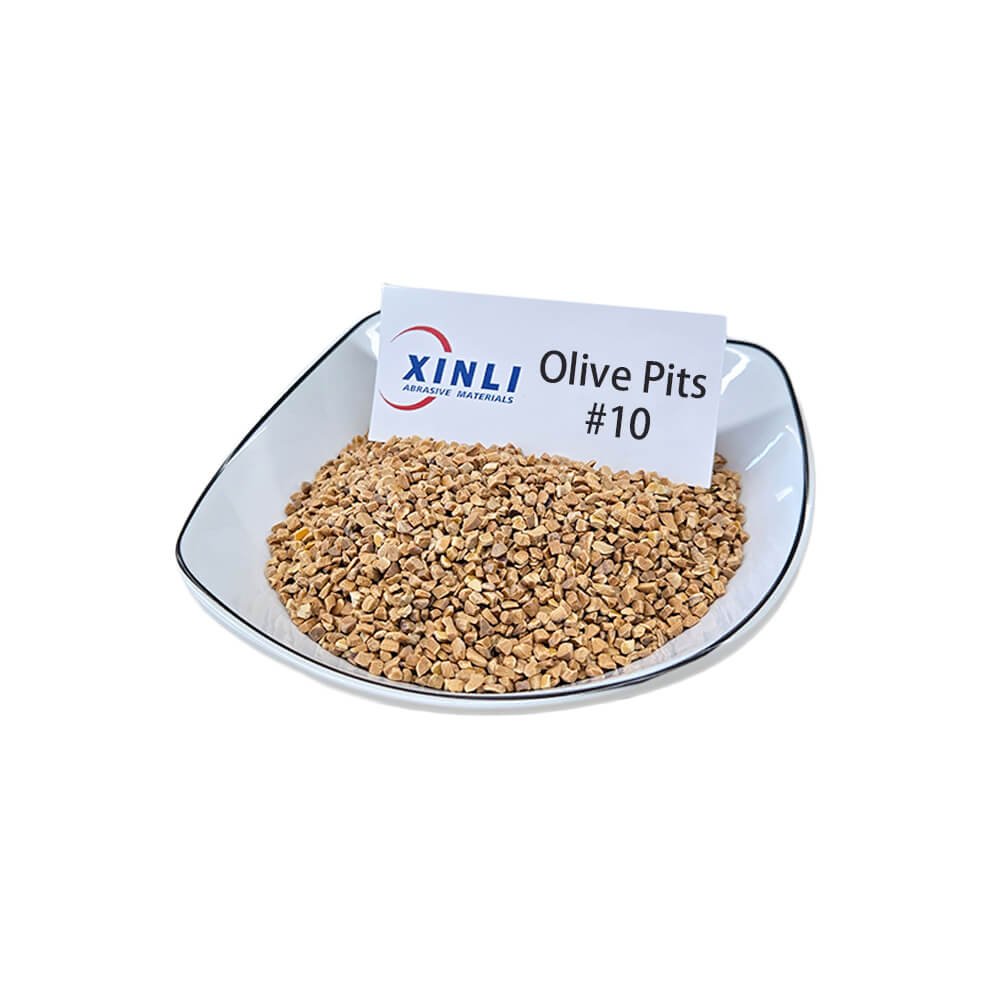
XINLI ABRASIVES can discuss walnut shell abrasive and corn cob abrasive options according to the intended application and requested particle size.
Request a Recommendation
To help identify a suitable media, please share the workpiece material, coating or contaminant, equipment type, required finish, particle size, and estimated quantity.
Contact XINLI ABRASIVES for product specifications, a quotation, and information about sample testing.